
June 24, 2025
Navigating the Future Responsibly
Why an AI Ethics Framework is No Longer Optional: Navigating the Future Responsibly
The rapid integration of artificial intelligence into every facet of our lives brings immense potential, but also undeniable complexities. As AI systems become more autonomous and influential, the need for a guiding structure to ensure their responsible development and deployment is paramount. An AI ethics framework is no longer a "nice-to-have" for forward-thinking organizations; it's an essential compass for navigating the future responsibly and mitigating significant risks.
The Unseen Risks: What Happens Without a Clear AI Ethics Framework?
Operating without a clear AI ethics framework is akin to sailing in uncharted waters without a map or rudder. The unseen risks are manifold and can have profound consequences. Without established ethical guidelines, AI systems can inadvertently perpetuate and even amplify societal biases, leading to discriminatory outcomes in critical areas like hiring, lending, and even criminal justice. This not only erodes public trust but can also result in severe reputational damage and legal liabilities.
The absence of an AI ethics framework often leads to a lack of transparency and accountability. When AI systems make questionable decisions or cause harm, pinpointing responsibility and rectifying the issue becomes a Herculean task. This opacity can breed suspicion and hinder user adoption. Furthermore, without a proactive AI ethics framework, organizations may find themselves constantly reacting to emerging ethical crises rather than preventing them, stifling innovation as teams become wary of potential negative repercussions. As regulatory landscapes around AI mature globally, companies lacking a foundational AI ethics framework will struggle to adapt, facing compliance challenges and potential penalties. The cost of inaction in developing an AI ethics framework can, therefore, far exceed the investment in establishing one.
Defining Your Compass: What is an AI Ethics Framework and Why is it Crucial?
So, what exactly is this critical safeguard? An AI ethics framework is far more than a mere checklist or a static policy document. It's a dynamic, comprehensive system of principles, guidelines, governance structures, processes, and tools designed to ensure artificial intelligence is developed and deployed responsibly and in alignment with human values and ethical considerations. Think of it as your organization's moral compass for AI, providing clear direction for every stage of the AI lifecycle—from initial conception and data gathering to model development, deployment, and ongoing monitoring and iteration.
The cruciality of a well-defined AI ethics framework cannot be overstated. In a field evolving at breakneck speed, it provides stability and ensures consistency in decision-making, helping teams navigate complex ethical dilemmas that invariably arise. An AI ethics framework is crucial because it empowers organizations to proactively identify, assess, and mitigate ethical risks such as bias, lack of fairness, opaqueness in decision-making, and potential for misuse. It forms the bedrock for building trustworthy AI – systems that users, customers, and society at large can rely on and feel confident interacting with. By embedding ethical considerations into the core of AI development and operational practices, an effective AI ethics framework fosters a culture of responsibility, encouraging all stakeholders to think critically about the broader societal impact of their technological creations. This proactive approach is essential not just for mitigating harm, but for unlocking the full positive potential of AI in a way that benefits everyone.
Beyond Compliance: The Strategic Advantages of a Robust AI Ethics Framework
While mitigating risks and ensuring compliance with emerging regulations are vital initial drivers, the benefits of implementing a robust AI ethics framework extend far beyond mere due diligence. Forward-thinking organizations recognize that a strong, demonstrable commitment to AI ethics is a powerful strategic differentiator and a significant catalyst for sustainable growth and innovation. Adopting an AI ethics framework isn't just about avoiding penalties or negative press; it’s about building a future-proof, resilient, and respected organization that leads with integrity.
One of the most significant strategic advantages is an enhanced brand reputation and deeper customer loyalty. In an era of increasing consumer awareness and scrutiny, businesses known for their ethical AI practices earn invaluable trust, attracting and retaining customers who prioritize responsibility and transparency. This trust translates directly into a stronger market position. Furthermore, a well-implemented AI ethics framework can be a magnet for top talent. AI professionals, data scientists, and ethicists are increasingly drawn to organizations that not only talk about ethical AI but actively integrate an AI ethics framework into their operations, wanting to contribute to technology that benefits society.
Beyond reputation and talent, a robust AI ethics framework actually fuels responsible innovation. By providing clear ethical guidelines and safety nets, it empowers teams to explore cutting-edge AI applications with greater confidence, knowing that ethical guardrails are in place to prevent unintended harm. This can lead to the development of fairer, more reliable, and ultimately more effective AI products and services, opening up new market opportunities and fostering more inclusive solutions. Companies that lead with an AI ethics framework often find they make better products, improve user experience, and are better positioned for long-term success. Ultimately, a proactive AI ethics framework is not a constraint, but an enabler of long-term value, innovation, and positive societal impact, firmly establishing an organization as a leader in the responsible development and deployment of artificial intelligence.
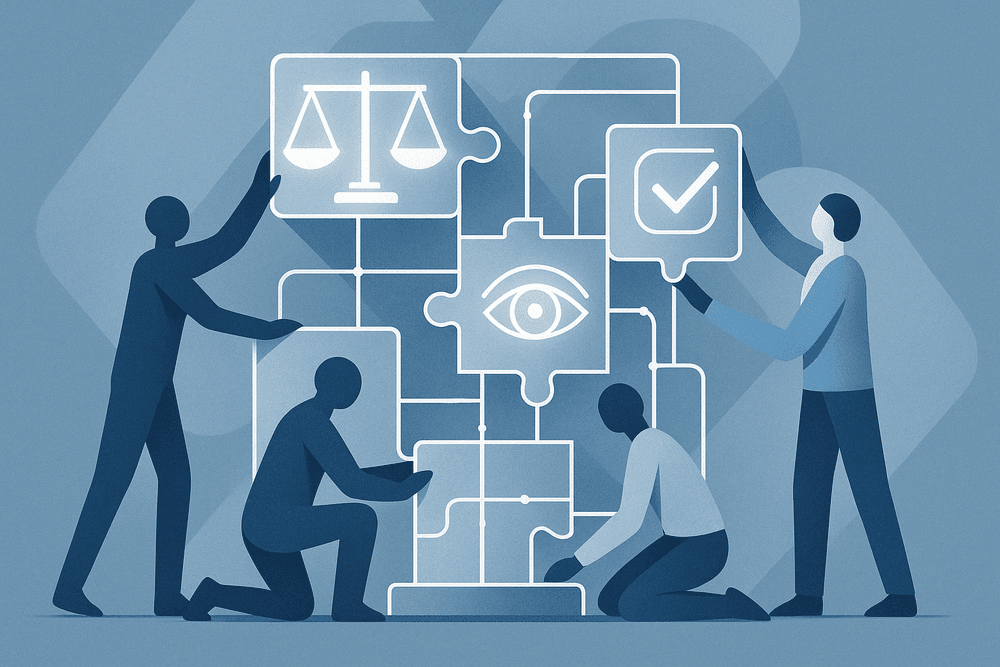
Decoding AI Ethics Frameworks: Key Principles and Diverse Models
Navigating the complex terrain of artificial intelligence demands a moral compass. An effective ai ethics framework serves as this crucial guide, ensuring AI aligns with human values as it integrates into our lives. But what are the foundational elements, how do global efforts compare, and how can organizations choose the right blueprint? Let's decode these critical aspects.
Core Pillars of an Effective AI Ethics Framework: Fairness, Accountability, Transparency
At the heart of any robust ai ethics framework lie indispensable principles, often known by variations of FATE (Fairness, Accountability, Transparency, and Ethics/Explainability). These are vital for building trust and ensuring AI benefits humanity.
- Fairness: AI systems must operate without unjust bias, ensuring equitable outcomes for all. A robust ai ethics framework champions this by demanding scrutiny of datasets for biases and evaluation of algorithms to prevent discriminatory impacts, thereby avoiding the perpetuation of societal inequalities.
- Accountability: Clear responsibility for AI's actions and impacts is vital. An effective ai ethics framework establishes unambiguous roles for AI oversight, ensuring that when systems err or cause harm, mechanisms for redress exist and responsible parties can be identified.
- Transparency (and Explainability): Demystifying AI's "black box" operations is key. Transparency within an ai ethics framework means accessible information about an AI's purpose, capabilities, and data. Explainability provides clear reasons for AI decisions, crucial for trust, debugging, and verifying fairness.
These pillars form the actionable foundation of any credible ai ethics framework, guiding the development and deployment of responsible AI.
Comparing Global Approaches: From OECD Principles to the EU AI Act and NIST AI RMF
The pursuit of ethical AI is a worldwide endeavor, with numerous international bodies and governments developing influential guidelines. Understanding these diverse approaches helps in crafting a comprehensive ai ethics framework.
- OECD AI Principles: These influential, non-binding principles from the Organisation for Economic Co-operation and Development promote trustworthy AI, emphasizing human-centric values, transparency, and accountability. They serve as a foundational global reference for many national strategies and any ai ethics framework.
- EU AI Act: The European Union's pioneering AI Act is a regulatory ai ethics framework using a risk-based approach. It categorizes AI by risk level, imposing varying obligations, aiming for a harmonized legal standard for safe and ethical AI across member states.
- NIST AI Risk Management Framework (AI RMF): This U.S. voluntary guide from the National Institute of Standards and Technology helps organizations manage AI risks. Its practical, adaptable structure supports building a context-specific ai ethics framework focused on trustworthy AI systems.
While distinct, these global initiatives often share common ethical ground, reflecting an international consensus on the core components necessary for responsible AI governance and the establishment of a functional ai ethics framework.
Choosing Your Blueprint: Principle-Based vs. Risk-Based AI Ethics Frameworks
How does an organization translate these broad ideas into its own ai ethics framework? Two primary models often guide this process: principle-based and risk-based approaches, though a hybrid model is increasingly common and often most effective.
- Principle-Based AI Ethics Frameworks: Anchored in core ethical values like fairness, transparency, non-maleficence, and human autonomy, these frameworks offer a strong moral compass and inherent flexibility for diverse applications. The main challenge, however, lies in translating these abstract principles into specific, measurable, and actionable guidelines for your ai ethics framework.
- Risk-Based AI Ethics Frameworks: This model, exemplified by the EU AI Act, prioritizes the identification, assessment, and mitigation of potential harms AI systems might cause. Such frameworks are action-oriented, providing clearer guidance for compliance. They focus on managing significant dangers but might miss some ethical nuances not easily quantifiable as "risks" when building your ai ethics framework.
- A hybrid approach, blending principles to inform risk assessment and mitigation strategies, often proves most effective. Crucially, an organization must tailor its chosen ai ethics framework to its specific context, industry, corporate values, the types of AI being developed or deployed, and all relevant regulatory obligations to ensure proactive and responsible AI governance.
Building a Resilient AI Ethics Framework: Essential Components and Features
A truly effective AI ethics framework isn't just a document; it's a dynamic system woven into the fabric of your organization. It guides responsible AI development and deployment by establishing clear principles and actionable processes. Let's explore the essential components and features that make an AI ethics framework resilient and impactful.
Establishing Governance: Clear Roles, Responsibilities, and Oversight for Your AI Ethics Framework
The cornerstone of any successful AI ethics framework is robust governance. Without clearly defined roles, responsibilities, and oversight mechanisms, ethical principles can remain abstract ideals rather than actionable guidelines.
- Defining Key Roles: Start by identifying who will champion and manage your AI ethics framework. This might involve appointing an AI Ethics Officer or establishing an AI Ethics Review Board comprising diverse stakeholders from legal, technical, business, and ethics departments. Clearly outline their mandates, from policy development and review to incident response and training.
- Assigning Responsibilities: Each role must come with specific responsibilities. For example, data scientists might be responsible for conducting bias assessments, while product managers ensure ethical considerations are integrated into the design lifecycle. Legal teams will ensure the AI ethics framework aligns with regulatory requirements.
- Implementing Oversight Mechanisms: Effective oversight ensures your AI ethics framework is adhered to and remains relevant. This includes regular audits of AI systems against ethical guidelines, clear reporting structures for ethical concerns or breaches, and escalation paths for complex ethical dilemmas. This structure fosters accountability and ensures that ethical considerations are actively managed, not just passively acknowledged.
Practical Steps for Bias Detection and Mitigation in AI Systems
Bias in AI systems can perpetuate and even amplify societal inequalities, leading to unfair outcomes and eroding trust. A comprehensive AI ethics framework must include proactive and ongoing strategies for bias detection and mitigation.
- Understanding and Identifying Bias: Recognize that bias can creep in at various stages: in the data used to train models, in the algorithms themselves, or in the human interpretation of AI outputs. Your AI ethics framework should promote awareness and training on different types of bias (e.g., sampling bias, measurement bias, algorithmic bias).
- Proactive Mitigation Strategies:
- Data Scrutiny: Implement rigorous processes for auditing datasets for representativeness and potential biases. Strive for diverse and inclusive datasets that reflect the populations your AI will impact.
- Fairness Metrics: Utilize established fairness metrics to evaluate models during development and testing. No single metric is perfect, so use a combination appropriate for your AI system's context.
- Diverse Teams: Foster diversity within your AI development teams. Different perspectives can help identify potential biases that might otherwise be overlooked.
- Continuous Monitoring: Bias is not a one-time fix. Your AI ethics framework should mandate ongoing monitoring of deployed AI systems to detect any emergent biases or performance disparities across different demographic groups. Regular re-evaluation and model retraining with updated, fair data are crucial.
Integrating Data Privacy and Security into Your AI Ethics Framework Design
The responsible use of data is fundamental to ethical AI. Your AI ethics framework must intrinsically link AI ethics with robust data privacy and security practices, ensuring that personal information is protected and AI systems operate securely.
- Privacy by Design: Embed privacy considerations into the entire lifecycle of your AI systems, right from the initial design phase. This proactive approach, championed by your AI ethics framework, is far more effective than trying to bolt on privacy features later.
- Data Minimization and Anonymization: Adhere to the principle of data minimization – collect and use only the data absolutely necessary for the AI system's intended purpose. Employ techniques like anonymization and pseudonymization to protect individuals' identities whenever possible.
- Robust Security Measures: Implement strong security protocols for data storage, access control, and transmission. This includes encryption, regular security audits, and incident response plans to protect against data breaches and unauthorized access, reinforcing the trustworthiness of your AI ethics framework.
- Regulatory Compliance: Ensure your data handling practices within the AI context comply with relevant data protection regulations such as GDPR, CCPA, or other regional laws. Your AI ethics framework should serve as a guide to navigating these complex legal landscapes.
Implementing Continuous Monitoring and Feedback Loops for Your AI Ethics Framework
An AI ethics framework is not a static document to be filed away; it's a living guide that must evolve with technological advancements, societal understanding, and your organization's learning. Continuous monitoring and robust feedback loops are vital for its sustained relevance and effectiveness.
- Ongoing Performance Assessment: Regularly assess your AI systems not just for technical performance but also against the ethical principles outlined in your AI ethics framework. This includes monitoring for fairness, accuracy across different groups, transparency, and unintended consequences.
- Establishing Feedback Channels: Create accessible and clear channels for both internal stakeholders (employees, developers) and external parties (users, affected communities) to raise ethical concerns, report potential issues, or provide feedback on AI systems. Your AI ethics framework should detail how this feedback is collected, reviewed, and acted upon.
- Iterative Refinement: Use the insights gained from monitoring and feedback to iteratively refine and update your AI ethics framework. This ensures it remains practical, addresses emerging ethical challenges, and reflects lessons learned from real-world AI deployments.
- Adaptability to Change: The AI landscape is constantly evolving. A resilient AI ethics framework is designed to be adaptable, allowing your organization to proactively address new ethical dilemmas, incorporate updated best practices, and align with changing regulatory environments. This continuous improvement cycle is key to maintaining a truly responsible AI practice.

Best Practices for Implementing and Operationalizing Your AI Ethics Framework
An AI ethics framework is more than a document; it’s the blueprint for responsible AI innovation. However, its true value is only realized when effectively implemented and consistently operationalized. This involves embedding ethical considerations into your organization's culture, processes, and communication strategies.
Fostering an Ethical AI Culture: Training, Awareness, and Stakeholder Engagement
Transforming your AI ethics framework from principles on paper to practices in action begins with cultivating an ethical AI culture. This isn't a one-off initiative but a continuous commitment.
- Comprehensive Training Programs: Equip your teams with the knowledge and skills to navigate ethical AI dilemmas. Develop tailored training modules for different roles—from data scientists and engineers to product managers and legal teams—focusing on the practical application of your AI ethics framework. Use real-world case studies and interactive workshops to build understanding and ethical reasoning.
- Sustained Awareness Initiatives: Keep ethical AI at the forefront of your organization’s consciousness. Regularly communicate updates, insights, and success stories related to your AI ethics framework through internal newsletters, town halls, and dedicated channels. Ensure the framework is easily accessible to all employees and celebrate individuals or teams who champion ethical AI practices.
- Proactive Stakeholder Engagement: Ethical AI development thrives on diverse perspectives. Involve a wide range of stakeholders—including employees from various departments, customer representatives, ethicists, and community members—from the early stages of AI development. Establish clear, accessible channels for raising ethical concerns or providing feedback on the AI ethics framework without fear of reprisal, fostering a true "speak-up" environment.
Step-by-Step Guide to Embedding Your AI Ethics Framework Across the AI Lifecycle
To truly operationalize your AI ethics framework, it must be woven into every stage of the AI system's lifecycle. This ensures that ethical considerations are not an afterthought but an integral part of development and deployment.
- Ideation and Design: Embed ethical risk assessments from the outset. Clearly define the purpose, potential impacts, and limitations of any proposed AI system, ensuring alignment with your AI ethics framework. Proactively identify and plan to mitigate potential biases and fairness concerns.
- Data Collection and Preparation: Your data is the foundation of your AI. Ensure data sourcing is ethical, legal, and representative. Implement robust data governance practices in line with your AI ethics framework, addressing privacy, consent, and bias detection within datasets.
- Model Development and Training: Select and utilize model architectures and training techniques that promote fairness, transparency, and accountability. Document all design choices, training procedures, and their ethical implications. Regularly test models against the principles outlined in your AI ethics framework.
- Validation and Testing: Go beyond mere accuracy. Rigorously test AI systems for fairness, robustness, security, and explainability. Involve diverse human testers to uncover a wider range of potential issues.
- Deployment and Monitoring: Implement continuous monitoring mechanisms to track the AI system's performance and behavior in real-world scenarios. Watch for "ethical drift" or unintended consequences. Establish clear lines of accountability and processes for intervention and remediation if the system deviates from your AI ethics framework.
- Retirement: Plan for the ethical decommissioning of AI systems, including secure data deletion, user notification, and managing any residual impacts.
Communicating Your AI Ethics Framework: Transparency with Users and the Public
Transparency is paramount in building trust around your AI initiatives. Clearly communicating your AI ethics framework and your commitment to it is essential for both internal alignment and external credibility.
- Internal Clarity: Ensure every employee understands the organization's AI ethics framework, their responsibilities in upholding it, and how it applies to their specific role.
- User Transparency: Be open with users about how AI is employed in your products and services. Clearly explain what data is being used, how it's being used, and what controls users have. Provide accessible channels for users to ask questions or raise concerns related to your AI systems and ethical practices.
- Public Accountability: Consider publishing a version of your AI ethics framework to demonstrate your commitment to responsible AI. Share your guiding principles, governance structures, and ongoing efforts to mitigate risks. Engage constructively in public discourse on AI ethics and be prepared to transparently address incidents and outline remediation efforts, when appropriate.
Strategies for Auditing and Iteratively Improving Your AI Ethics Framework
An AI ethics framework is not static; it must evolve with technological advancements, societal expectations, and organizational learning. Regular auditing and a commitment to iterative improvement are crucial.
- Conduct Regular Audits: Implement a schedule for periodic internal and, where appropriate, external audits of your AI systems and processes. These audits should assess compliance with your AI ethics framework, identify potential gaps or new risks, and evaluate the effectiveness of your governance mechanisms.
- Establish Robust Feedback Mechanisms: Create and promote clear channels for all stakeholders—employees, users, and the public—to provide feedback on your AI systems and your AI ethics framework. An anonymous ethical incident reporting system can be invaluable.
- Embrace Iterative Improvement: Use the findings from audits, stakeholder feedback, and learnings from any ethical incidents to regularly review and update your AI ethics framework. Document all changes and communicate them effectively. This continuous improvement cycle ensures your framework remains relevant, effective, and truly embedded in your operations.
- Learn from Every Incident: When ethical issues or near-misses occur, conduct thorough post-incident reviews. Analyze the root causes and adapt your AI ethics framework, training, and operational practices to prevent recurrence and strengthen your overall AI governance.
AI Ethics Frameworks in Action: Real-World Use Cases and Lessons Learned
Moving beyond theoretical discussions, how does an AI ethics framework translate into tangible outcomes? The real test lies in its application. From groundbreaking successes to sobering missteps, the journey of AI adoption is rich with lessons. Understanding these real-world scenarios is crucial for any organization aiming to harness AI responsibly and effectively.
Success Stories: How Leading Organizations Leverage Their AI Ethics Framework for Competitive Advantage
Many forward-thinking organizations are discovering that a robust AI ethics framework isn't just a compliance checkbox but a powerful enabler of innovation and trust. For instance, consider a global tech company that embedded its AI ethics framework deeply into its product development lifecycle. This proactive approach, emphasizing fairness and transparency in its algorithms, not only helped mitigate risks of bias in its AI-powered recommendation engines but also significantly boosted user trust and engagement. Similarly, a financial institution that prioritized explainability within its AI ethics framework for loan applications found it could better serve a wider, more diverse customer base, identifying creditworthy individuals previously overlooked by traditional models, thereby increasing market share while upholding ethical lending practices. These successes underscore how an AI ethics framework can be a cornerstone of sustainable growth and a key differentiator in a competitive market.
Cautionary Tales: Learning from AI Ethical Lapses and the Importance of a Proactive AI Ethics Framework
The AI landscape also shows where ethical oversights led to negative consequences, highlighting the need for a proactive AI ethics framework. For example, an automated recruitment tool inadvertently perpetuated gender bias from its training data, causing reputational damage and system withdrawal. Similarly, facial recognition technology with higher error rates for darker skin tones raised concerns about fairness and discrimination. These lapses, often due to insufficient testing or a failure to anticipate unintended consequences, could have been mitigated by a comprehensive AI ethics framework emphasizing audits, impact assessments, and diverse stakeholder input. Such incidents are potent reminders that neglecting ethical AI principles can erode trust and incur significant costs.
Sector-Specific Adaptations: Tailoring an AI Ethics Framework for Healthcare, Finance, and Public Services
A one-size-fits-all AI ethics framework falls short; nuanced adaptation is key for sectors with distinct ethical considerations and regulatory demands.
- Healthcare: An AI ethics framework must rigorously address patient safety, data privacy (e.g., HIPAA), and equitable access. This means mitigating bias in AI diagnostics to prevent health disparities and ensuring transparent AI-driven treatment recommendations.
- Finance: Here, an effective AI ethics framework centers on preventing bias in lending, ensuring explainable AI for regulatory compliance in credit decisions, and managing risks in algorithmic trading and fraud detection.
- Public Services: For governments, an AI ethics framework must uphold public accountability, ensure fairness in resource allocation (like social benefits), and protect civil liberties in AI applications such as surveillance, demanding transparency to maintain citizen trust.
The Evolving Landscape: Future-Proofing Your AI Ethics Framework Against Emerging Challenges
AI is rapidly evolving, so your AI ethics framework must be a living document. Future-proofing involves preparing for challenges like generative AI's potential for misinformation, increasing AI autonomy, neuro-ethical concerns, and AI's environmental impact. To keep your AI ethics framework effective, embed mechanisms for continuous adaptation: conduct regular reviews, engage diverse stakeholders, invest in ethics training, and maintain flexible governance. A proactive, adaptive AI ethics framework is crucial for navigating emerging ethical risks and fostering responsible AI innovation.

Conclusion: Charting Your Path to Responsible AI with a Robust AI Ethics Framework
The journey into artificial intelligence is exhilarating, but it demands a conscientious approach. As we've explored, ensuring AI systems are developed and used responsibly is paramount, and at the heart of this endeavor lies a robust AI ethics framework. This concluding section will crystallize key takeaways, provide actionable steps, point you to valuable resources, and reinforce the critical importance of committing to ethical AI for a responsible future.
Key Takeaways: Your Checklist for an Effective AI Ethics Framework
The journey towards responsible AI hinges on a well-defined AI ethics framework. An effective framework isn't just a document; it's a dynamic system that guides behavior and decision-making. Here’s your checklist to ensure your AI ethics framework is comprehensive and impactful:
- Clearly Defined Core Ethical Principles: Your AI ethics framework must be built upon foundational principles such as fairness, non-maleficence, accountability, transparency, privacy, security, and meaningful human oversight. These principles should be explicitly stated and understood across your organization.
- Robust Governance Structures: Establish unambiguous roles, responsibilities, and oversight mechanisms. This could include an AI ethics board, review committees, or designated ethics officers to steer the development, deployment, and ongoing monitoring of AI systems within your AI ethics framework.
- Actionable Implementation Guidelines and Tools: Abstract principles must be translated into concrete, practical actions. Your AI ethics framework should incorporate tools and processes like ethical risk assessments, bias detection and mitigation strategies, data governance protocols, explainability requirements, and incident response plans.
- Stakeholder Inclusivity and Engagement: Ensure your AI ethics framework is developed with input from a diverse range of stakeholders. This includes ethicists, legal experts, AI developers, domain specialists, business leaders, and representatives from communities potentially impacted by your AI systems.
- Commitment to Continuous Learning and Adaptation: The field of AI is evolving at a rapid pace, bringing new ethical challenges and societal considerations. An effective AI ethics framework is a living entity, subject to regular review, updates, and improvements based on new learnings, technological advancements, and evolving societal norms.
Take Action: How to Start Developing or Refining Your AI Ethics Framework Today
Embarking on the creation or refinement of your AI ethics framework can seem daunting, but it's a critical step toward responsible innovation. Don't wait for an ethical misstep to catalyze action. Here’s how you can proactively chart your course:
- Assess Your Current AI Landscape and Ethical Maturity: Begin by understanding how and where AI is currently being used or planned within your organization. Identify potential ethical risks and opportunities specific to your industry and use cases. This initial assessment is crucial for tailoring your AI ethics framework.
- Secure Leadership Commitment and Sponsorship: A successful AI ethics framework requires unwavering support and active championship from the highest levels of your organization. Leadership must advocate for ethical AI, allocate necessary resources, and foster a culture where ethical considerations are integral, not ancillary.
- Assemble a Multidisciplinary AI Ethics Task Force: Create a dedicated working group or committee comprising representatives from legal, technical/data science, business units, risk management, and ideally, ethics or social responsibility departments. Diverse expertise ensures a more holistic and robust AI ethics framework.
- Define Your Organization's Guiding Ethical Principles for AI: Based on your assessment, organizational values, and industry best practices, articulate the core ethical principles that will underpin your AI ethics framework. Consider aligning these with established global standards and guidelines.
- Develop Practical Policies, Procedures, and Educational Materials: Translate your defined principles into actionable policies, clear operational procedures, and accessible training programs. Make your AI ethics framework a practical guide for AI design, development, testing, deployment, and ongoing management.
- Implement, Educate, and Empower Your Teams: Roll out your AI ethics framework across the organization. Conduct comprehensive training to ensure all relevant personnel understand the framework, their specific responsibilities, and how to apply ethical decision-making in their AI-related work.
- Establish Mechanisms for Monitoring, Auditing, and Iteration: An AI ethics framework is not static. Implement processes for continuously monitoring its effectiveness, conducting periodic audits, gathering feedback from users and developers, and be prepared to adapt and refine it as your AI initiatives mature and new ethical considerations emerge.
Resources for Deepening Your Understanding of AI Ethics and Governance
Building and maintaining a cutting-edge AI ethics framework is an ongoing journey of learning and adaptation. To support this, numerous organizations and initiatives offer valuable insights, tools, and guidance. Consider exploring these categories of resources:
- Governmental and Supranational Guidelines:
- NIST AI Risk Management Framework (USA): Provides voluntary guidance and a common language to better manage risks to individuals, organizations, and society associated with AI.
- EU AI Act (European Union): A landmark comprehensive legal framework for AI, setting obligations for providers and users depending on the level of risk posed by AI systems.
- OECD AI Principles: Adopted by numerous countries, these principles promote AI that is innovative, trustworthy, and respects human rights and democratic values.
- Academic and Research Institutions: Many leading universities worldwide host dedicated AI ethics research centers and initiatives. These institutions (e.g., Stanford Institute for Human-Centered AI (HAI), MIT Schwarzman College of Computing, Oxford Internet Institute) publish cutting-edge studies, case analyses, and ethical toolkits that can inform your AI ethics framework.
- Non-Profit Organizations and Multi-Stakeholder Consortia: Groups like the Partnership on AI, AI Now Institute, AI Ethics Lab, and AlgorithmWatch offer valuable independent research, critical reports, and community platforms focused on the societal impact of AI and the development of ethical AI practices.
- Industry Best Practices and White Papers: Leading technology companies and specialized consulting firms often publish their own approaches to AI ethics, sharing insights into practical implementation challenges and potential solutions for developing an effective AI ethics framework.
- Professional Development Courses and Certifications: Numerous online learning platforms (such as Coursera, edX, LinkedIn Learning) and professional organizations offer specialized courses, workshops, and certifications in AI ethics and governance to upskill your teams and leadership.
The Future is Ethical: Committing to a Responsible AI Ethics Framework
The path to harnessing the transformative power of artificial intelligence responsibly and sustainably is paved with a steadfast commitment to ethical principles. An AI ethics framework is far more than a compliance document or a risk mitigation tool; it is a strategic imperative that builds trust with stakeholders, fosters responsible innovation, enhances brand reputation, and ultimately defines your organization's positive role in shaping an equitable and beneficial technological future.
Embracing and actively operationalizing a robust AI ethics framework signals to your customers, employees, partners, and society at large that your organization is dedicated to developing and deploying AI systems that are safe, fair, transparent, accountable, and respectful of human values. This commitment becomes increasingly critical as AI systems become more powerful and deeply integrated into the fabric of our daily lives and critical societal functions.
The future of artificial intelligence is inextricably linked to our collective ability to govern it wisely and ethically. By proactively establishing, diligently upholding, and continuously refining your AI ethics framework, you are not just navigating the complexities of the present; you are actively investing in a future where AI serves humanity's best interests. Let this be your organization's enduring call to action: commit to embedding ethical considerations at the very heart of your AI strategy and operations. The future is ethical, and it begins with the robust and responsible AI ethics framework you cultivate today.