
October 6, 2025
What is Project Management AI and How is it Revolutionizing
What is Project Management AI and How is it Revolutionizing Work?
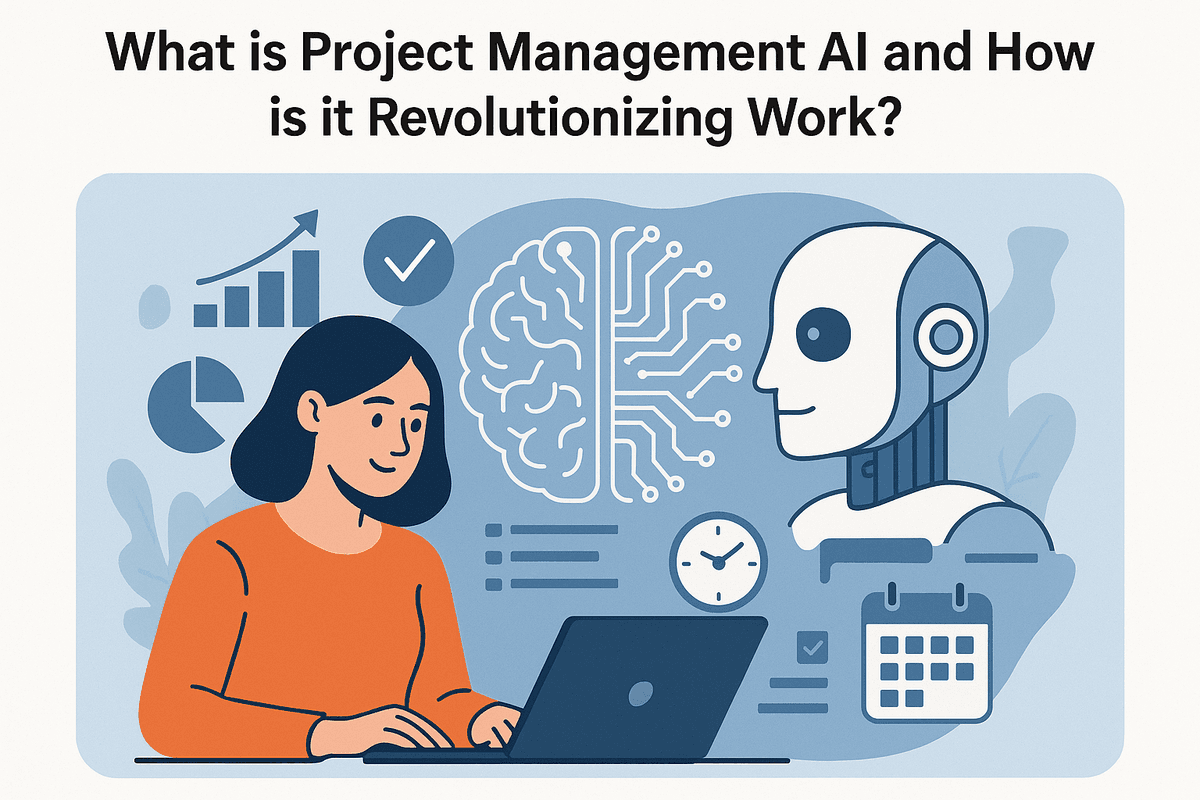
At its core, project management AI refers to the integration of artificial intelligence and machine learning algorithms into the tools and processes used to plan, execute, and manage projects. It’s not about replacing project managers with robots; it's about augmenting human intelligence with powerful computational capabilities. Think of it as giving every project manager a super-powered assistant—one that can analyze vast amounts of data, predict outcomes, automate tedious tasks, and identify potential risks long before they become critical issues. This technology acts as a strategic partner, transforming the project manager's role from a reactive problem-solver to a proactive, data-driven leader.
From Manual Tracking to Intelligent Automation: The Big Shift
For decades, project management has been a discipline heavily reliant on manual input. Project managers spent countless hours updating spreadsheets, manually adjusting Gantt charts, chasing team members for status reports, and compiling data for stakeholder presentations. This traditional approach was not only time-consuming but also prone to human error, biased estimations, and information silos.
The arrival of project management AI marks a fundamental shift away from this manual grind. It’s the difference between navigating with a paper map and using a real-time GPS that reroutes you around traffic. AI-powered systems can now:
- Automate task scheduling by considering team member availability, skill sets, and dependencies.
- Analyze communication patterns to flag potential bottlenecks or interpersonal conflicts.
- Process historical project data to generate incredibly accurate timeline and budget forecasts.
- Automate progress reporting, pulling real-time data from various sources into a single, cohesive dashboard.
This leap to intelligent automation frees up project teams from administrative burdens, allowing them to focus on what truly matters: creativity, strategic thinking, and collaborative problem-solving.
Key Benefits: Boosting Efficiency, Accuracy, and Team Morale
The impact of integrating AI into project management workflows is profound, delivering tangible benefits that ripple across the entire organization.
Unlocking Radical Efficiency
By automating repetitive and low-value tasks like data entry, scheduling, and follow-ups, project management AI drastically reduces the administrative overhead. This accelerates project timelines and allows resources to be allocated to more strategic initiatives. The result is a leaner, more agile project execution process where teams can accomplish more in less time.
Enhancing Predictive Accuracy
Guesswork has always been the enemy of successful project delivery. AI replaces intuition with data-driven insights. By analyzing past project performance and current progress, machine learning models can predict potential budget overruns, identify at-risk tasks, and forecast completion dates with a level of accuracy that is simply unattainable through manual methods. This predictive power enables managers to make proactive adjustments, mitigating risks before they derail a project.
Elevating Team Morale and Engagement
Perhaps the most underrated benefit is the positive impact on your team. When skilled professionals are liberated from mind-numbing administrative work, their job satisfaction soars. Project management AI ensures that workloads are balanced, communication is streamlined, and everyone’s time is respected. This focus on high-value, creative work reduces burnout, fosters a more innovative culture, and ultimately leads to a happier, more engaged, and more productive team.
A Comparative Look at the Top Project Management AI Software
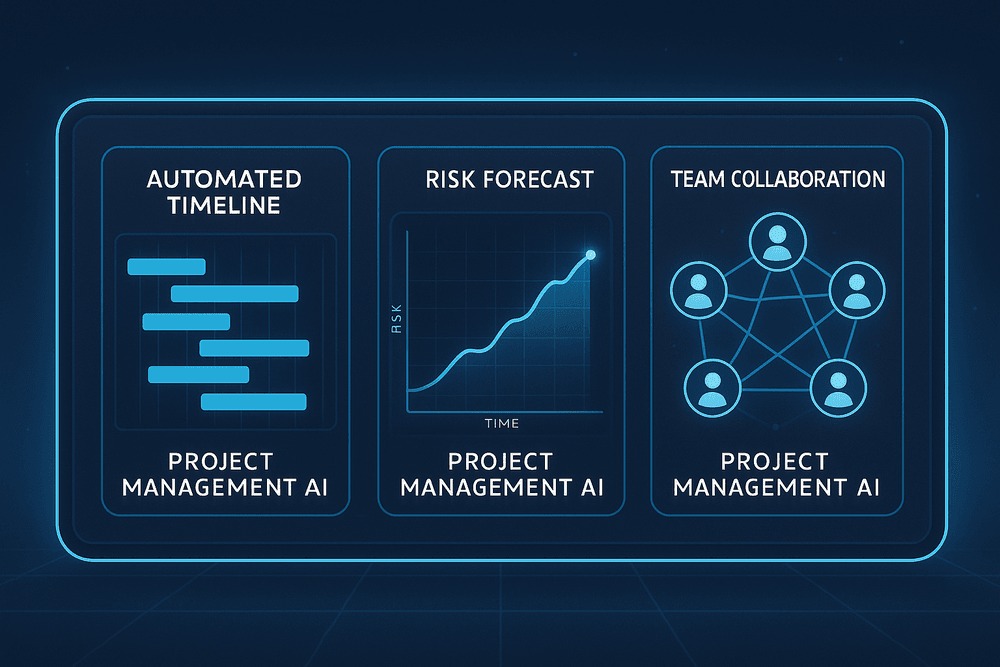
The market is booming with innovative project management AI solutions, but choosing the right one depends entirely on your team's biggest hurdles. Are you battling scheduling chaos, getting blindsided by unexpected risks, or facing communication breakdowns? To help you navigate the options, we’re breaking down three leading platforms, each excelling in a specific area of AI-driven project management.
Tool A: Best for Automated Task Scheduling and Resource Allocation
For teams drowning in the complexities of task dependencies and workload balancing, Tool A is a game-changer. Its core strength lies in an intelligent automation engine that transforms project planning from a manual chore into a dynamic, self-optimizing process. The AI analyzes project requirements, team member skills, and current availability to automatically generate the most efficient task schedule.
If a deadline shifts or a new priority emerges, the platform intelligently reallocates resources and adjusts the entire project timeline in real-time, instantly highlighting potential conflicts. This project management AI goes beyond simple scheduling; it provides smart resource management, flagging overworked team members and suggesting reassignments to prevent burnout and maintain productivity. It’s the ideal solution for operations-heavy teams focused on maximizing efficiency and hitting deadlines consistently.
Tool B: Excelling at Predictive Analytics and Risk Forecasting
Tool B operates like a crystal ball for your projects. It leverages machine learning to analyze historical data from past projects—including timelines, budgets, and team performance—to deliver stunningly accurate predictive insights. Instead of reacting to problems, you can anticipate them. The platform’s AI generates risk probability scores for upcoming tasks and milestones, alerting you to potential bottlenecks before they disrupt your workflow.
Its forecasting capabilities extend to budgets and timelines, providing data-driven projections on whether you'll finish on time and within financial constraints. This allows project managers to make proactive, informed decisions, such as allocating extra resources to a high-risk phase or adjusting stakeholder expectations early on. Tool B is indispensable for organizations managing complex, high-stakes projects where foresight is critical to success.
Tool C: The Top Choice for Enhancing Team Collaboration and Communication
In the age of remote and hybrid work, keeping teams aligned is a major challenge. Tool C tackles this head-on with AI designed to foster seamless collaboration. Its features go far beyond a simple chat function. The AI can automatically generate concise summaries of long discussion threads and virtual meetings, ensuring no one misses a key decision.
Furthermore, it employs sentiment analysis to gauge team morale based on communication patterns, providing managers with a subtle, data-backed pulse on team health. Smart notifications ensure the right person gets the right information at the right time without causing alert fatigue. By automating routine updates and intelligently streamlining information flow, this project management AI frees up your team to focus on meaningful, collaborative work.
Feature Comparison Table: Top Tools at a Glance
| Tool | Pricing Model | Key Integrations | Unique AI Capability |
| :--- | :--- | :--- | :--- |
| Tool A | Tiered plans starting from $25/user/month. Enterprise options available. | Jira, Asana, Google Workspace, Microsoft 365 | Dynamic Resource Leveling: Automatically adjusts workloads across the team to prevent burnout and optimize task distribution in real-time. |
| Tool B | Custom pricing based on project volume and data analysis needs. | SAP, Salesforce, GitHub, Oracle | Predictive Risk Scoring: Analyzes historical data to assign a probability score to potential project risks, enabling proactive mitigation. |
| Tool C | Flat-rate per team, starting at $150/month. | Slack, Microsoft Teams, Zoom, Figma | AI-Powered Meeting Summaries: Generates automated summaries, action items, and decision logs from recorded video or audio meetings. |
Unlocking Efficiency: Must-Have Features of Project Management AI
The modern marketplace is flooded with tools claiming to leverage artificial intelligence. But for a project manager aiming for a genuine competitive edge, it's crucial to look beyond the hype and identify the core features that truly deliver transformative results. A powerful project management AI isn't just a smarter to-do list; it’s a proactive partner. It shifts your role from a reactive firefighter to a strategic visionary by automating the mundane and illuminating the critical. Here are the must-have features that separate the game-changers from the gadgets.
Automated Task Management and Workflow Optimization
Imagine a system that not only schedules tasks but also intelligently assigns them based on team member skills, current workload, and past performance. This is the foundation of AI-driven workflow optimization. This feature automates the tedious administrative burden of resource allocation and scheduling. A sophisticated project management AI can dynamically adjust timelines when dependencies shift, automatically re-prioritize tasks based on project goals, and ensure the right person is on the right job at the right time. This frees up project managers from hours of manual planning, reduces the risk of human error, and allows them to focus on high-level strategy, team motivation, and stakeholder communication.
AI-Powered Resource and Budget Forecasting
Guesswork is the enemy of successful project delivery. AI-powered forecasting replaces gut feelings with data-backed predictions, offering unprecedented accuracy in planning. By analyzing historical data from past projects—including timelines, team performance, and expenses—these systems can predict future project costs, resource requirements, and completion dates with remarkable precision. This feature is invaluable for setting realistic stakeholder expectations and securing appropriate budgets from the outset. An advanced project management AI acts as a financial watchdog, flagging potential budget overruns long before they occur and suggesting adjustments to keep the project on a firm financial footing.
Intelligent Risk Detection and Mitigation
The best way to solve a problem is to prevent it from happening. Intelligent risk detection is perhaps the most powerful capability of project management AI. These systems continuously scan all project data—from communication logs and progress reports to dependency chains—to identify subtle patterns and anomalies that signal potential risks. The AI can flag a critical task that is falling behind, detect a potential resource conflict weeks in advance, or even analyze team sentiment to predict burnout. More than just an alarm system, it often suggests data-driven mitigation strategies, empowering managers to take decisive, proactive measures to neutralize threats before they can derail the project.
Smart Reporting and Data-Driven Performance Insights
Standard dashboards show you what is happening, but AI-powered analytics tell you why. Smart reporting moves beyond static charts to deliver dynamic, contextual insights that drive continuous improvement. Using Natural Language Processing (NLP), a project management AI can summarize complex performance data into clear, actionable narratives for stakeholders. It can pinpoint the root cause of bottlenecks, identify top-performing processes, and highlight areas for team development. This feature transforms data from a passive record into an active asset, enabling teams to learn from every sprint and make smarter, evidence-based decisions for future projects.
How Companies are Winning with Project Management AI: Real-World Use Cases
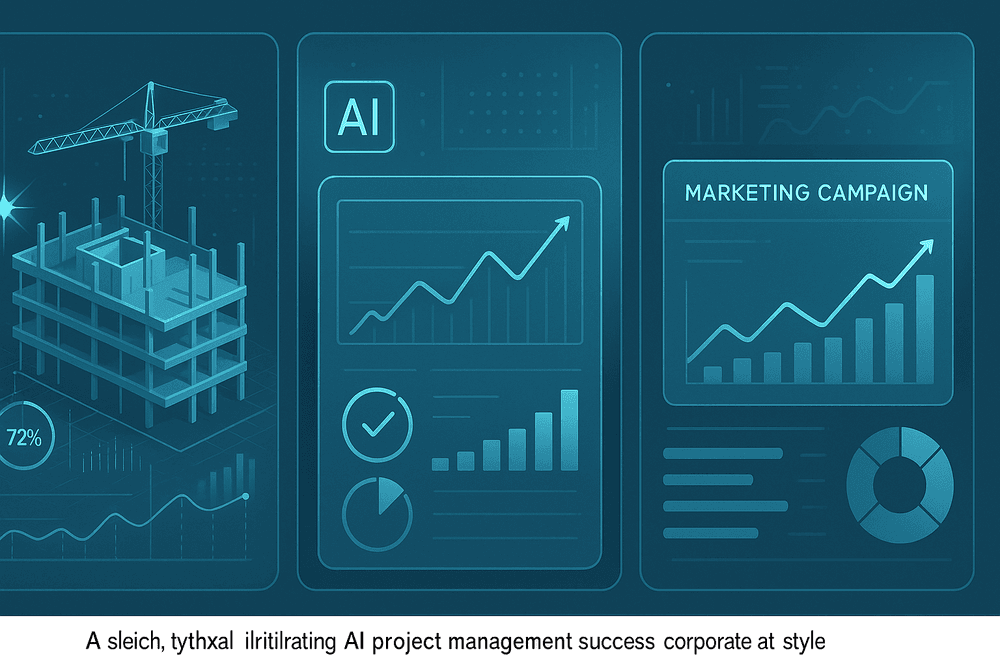
Theory is one thing, but results are what truly matter. The adoption of project management AI isn't just a trend; it's a strategic move that delivers a tangible competitive advantage. Across industries, businesses are leveraging artificial intelligence to transform their workflows, mitigate risks, and achieve unprecedented efficiency. Let's explore how three different organizations turned complex challenges into remarkable success stories.
Case Study 1: How a Tech Startup Cut Project Delivery Times by 30%
The Challenge: InnovateTech, a rapidly growing SaaS startup, was struggling with the classic pitfalls of hyper-growth: chaotic project timelines, overworked developers, and frequent scope creep. Their manual project management methods couldn't keep pace, leading to missed deadlines and strained client relationships. They needed a smarter way to allocate resources and anticipate bottlenecks before they derailed entire sprints.
The Solution: The company integrated a project management AI platform that automated task scheduling and resource allocation. The AI analyzed each team member's workload, skillset, and past performance to assign tasks intelligently. It also ran continuous simulations to identify potential risks and timeline conflicts, flagging them for project managers with suggested solutions.
The Result: Within six months, InnovateTech saw a 30% reduction in average project delivery time. The AI-driven system eliminated scheduling guesswork and ensured a balanced workload, which boosted team morale and reduced burnout. Stakeholder communication improved dramatically, as the AI provided accurate, real-time progress reports and forecasts.
Case Study 2: Managing Complex Construction Projects with AI-Driven Insights
The Challenge: A major construction firm was overseeing a large-scale urban development project involving dozens of subcontractors, complex supply chains, and stringent safety regulations. Traditional methods made it difficult to get a real-time, accurate view of on-site progress, leading to costly delays and budget overruns when issues were discovered too late.
The Solution: The firm deployed a specialized project management AI solution that integrated with on-site drones and IoT sensors. The AI analyzed drone imagery to automatically track construction progress against the digital blueprint, identifying discrepancies instantly. It also analyzed supply chain data and weather forecasts to predict potential material shortages or work stoppages, allowing managers to adapt proactively.
The Result: The use of AI-driven insights led to a 15% reduction in budget overruns and a significant improvement in on-time completion rates. The system's ability to flag potential safety hazards from sensor data also contributed to a safer worksite. Project managers were no longer reacting to problems; they were preventing them.
Case Study 3: Streamlining Marketing Campaigns with Predictive Analytics
The Challenge: A digital marketing agency was managing multiple high-stakes campaigns for its clients, each with numerous moving parts across different channels. The team struggled to accurately forecast campaign performance and allocate budget effectively, often relying on historical data that didn't account for rapidly changing market trends.
The Solution: The agency adopted a project management AI tool with powerful predictive analytics capabilities. The system analyzed vast datasets—including past campaign results, market trends, and competitor activity—to forecast the potential ROI of different strategies. It recommended the optimal budget split across channels and even automated the A/B testing process, learning in real-time to reallocate resources to the best-performing ads.
The Result: The agency streamlined its entire campaign workflow, from planning to execution and reporting. The predictive insights led to a 25% average increase in client campaign ROI. The team could make faster, data-backed decisions, allowing them to pivot strategies with agility and consistently deliver superior results.
A Practical Guide to Implementing Project Management AI
Adopting new technology can feel daunting, but a strategic approach makes all the difference. Implementing project management AI is not just about flipping a switch; it's about a thoughtful integration that empowers your team and streamlines your workflow. Follow this four-step guide to successfully introduce AI into your project management ecosystem and unlock its full potential.
Step 1: Assess Your Current Project Management Challenges
Before you can find the right solution, you must clearly define the problem. Start with a thorough audit of your current project management processes. Where are the bottlenecks? What tasks consume the most manual effort? Common pain points that project management AI can solve include:
- Inaccurate Timelines: Projects frequently run past their deadlines.
- Resource Misallocation: Team members are either overworked or underutilized.
- Repetitive Administrative Work: Project managers spend too much time on status reports, scheduling, and data entry.
- Poor Risk Forecasting: Potential issues are only identified when they become critical problems.
Gather feedback directly from your team through surveys or workshops. Analyze past projects to identify patterns of inefficiency. This initial assessment creates a clear business case and helps you pinpoint exactly where an AI tool can deliver the most significant impact.
Step 2: Choose the Right AI Tool for Your Needs
With a clear understanding of your challenges, you can now evaluate the market. The world of project management AI tools is vast, so focus on solutions that directly address the pain points you identified. Key criteria for selection include:
- Core Functionality: Does the tool specialize in what you need most? Whether it's intelligent task automation, predictive analytics for risk, or AI-powered resource scheduling, match the features to your specific requirements.
- Integration Capabilities: A great tool becomes useless if it doesn’t work with your existing tech stack. Ensure it integrates seamlessly with your current software like Jira, Slack, Microsoft Teams, or your CRM.
- User Experience (UX): The best tool is one your team will actually use. Look for an intuitive interface and a minimal learning curve. Request a demo or a free trial to test its usability firsthand.
- Scalability and Support: Choose a solution that can grow with your team and your projects. Investigate the provider’s customer support and training resources to ensure you have help when you need it.
Step 3: Overcome Adoption Hurdles and Ensure Team Buy-In
The biggest barrier to new technology is often human, not technical. Address potential resistance head-on by focusing on communication and empowerment. Frame the AI tool not as a replacement for human project managers, but as an intelligent assistant designed to eliminate tedious work and free up your team for more strategic, creative tasks.
- Communicate the "Why": Clearly explain the benefits—less admin, better data-driven decisions, and more successful project outcomes.
- Start with a Pilot Program: Roll out the tool with a single, enthusiastic team or a low-risk project. Their success will create a powerful case study and generate internal champions.
- Provide Robust Training: Host dedicated training sessions and create accessible resources like video tutorials and FAQs. A confident team is more likely to embrace a new tool.
Step 4: Measure Success and Calculate the ROI of Your AI Investment
To prove the value of your new project management AI, you must track its impact. Establish baseline metrics before implementation so you have a clear "before and after" picture. Key Performance Indicators (KPIs) to monitor include:
- Efficiency Gains: Measure the reduction in time spent on administrative tasks.
- Project Success Rates: Track improvements in on-time and on-budget project delivery.
- Forecasting Accuracy: Compare the AI's predictions against actual project outcomes.
- Team Satisfaction: Survey your team to gauge their experience with the new tool and workflow.
Calculating ROI involves comparing the gains (e.g., value of hours saved, cost of avoided project delays) against the cost of the software. This data not only justifies the investment but also helps secure budget for future technological advancements.

The Future is Automated: What's Next for Project Management AI?
The integration of artificial intelligence into project management isn't a distant future—it's happening now, and the pace of innovation is accelerating. While current tools excel at automating tasks and predicting outcomes, the next wave of project management AI is poised to become a true strategic partner. We're moving beyond simple automation and into an era of intelligent collaboration, where AI augments a project manager's skills in unprecedented ways. Understanding these emerging trends is key to staying competitive and building more resilient, efficient teams.
Generative AI: Your New Co-Pilot for Planning and Reporting
The most significant leap forward is the rise of generative AI. Unlike traditional AI that analyzes existing data, generative AI creates new content. Imagine it as a brilliant junior project manager who can draft documents, synthesize information, and brainstorm ideas in seconds.
- Intelligent Project Planning: Soon, you'll be able to give a project management AI a simple prompt like, "Create a comprehensive project plan for a new e-commerce website launch in Q3, including a work breakdown structure, key milestones, and a risk register." The AI will instantly generate a detailed, structured plan based on industry best practices and historical data from your own organization. It can suggest optimal resource allocation and even draft initial project charters.
- Automated, Contextual Reporting: Manual status reporting is becoming a relic. The future lies in conversational reporting. Instead of spending hours pulling metrics, you’ll ask, "Summarize our progress against budget for the Phoenix project and highlight the top three risks that need my attention." The AI will not only pull the data but will also generate a concise, human-readable summary, ready to be sent to stakeholders.
Preparing Your Team for the Next Wave of AI Innovation
Technology is only half the equation. The most advanced project management AI tool will fail without a team ready to embrace it. Preparing your people for this shift is not just an IT task; it's a core leadership responsibility.
- Foster a Culture of Augmentation: Frame AI as a tool that enhances, not replaces, human expertise. The goal is to free your team from low-value, repetitive tasks so they can focus on strategic thinking, creative problem-solving, and stakeholder management—areas where human skills shine.
- Prioritize Upskilling and Adaptability: The new essential skill is learning how to effectively collaborate with an AI. Train your team on prompt engineering (how to ask the AI the right questions to get the best results), data literacy, and how to critically evaluate AI-generated outputs. Encourage experimentation and create a safe environment for learning these new workflows.
Start Your AI Journey Today: Recommendations and Next Steps
The future of project management AI is exciting, but you don't have to wait to get started. Taking deliberate, strategic steps today will build the foundation for future success.
- Audit Your Bottlenecks: Begin by identifying the most time-consuming, repetitive, and error-prone processes in your current project lifecycle. Is it scheduling meetings, creating reports, or tracking dependencies? This is your starting point for AI implementation.
- Run a Pilot Program: Select a single, high-impact area and pilot a targeted AI tool. Choose an enthusiastic team to test it on a small-scale project. This lowers risk and helps you build a strong business case based on real-world results and feedback.
- Measure, Learn, and Scale: Define clear success metrics before you start. Are you trying to reduce administrative hours, improve forecast accuracy, or increase on-time delivery? Track these KPIs, learn from the pilot, and use that data to inform a wider, more strategic rollout. The journey into AI is an iterative process of continuous improvement.