
May 25, 2025
An Introduction to AI Productivity Tools
Unlock Your Potential: An Introduction to AI Productivity Tools
Feeling swamped by an ever-growing to-do list? Drowning in data? Struggling to find time for strategic thinking amidst a sea of mundane tasks? You're not alone. But what if there was a way to reclaim your time, supercharge your efficiency, and unlock your true professional potential? The answer lies in the rapidly evolving world of AI productivity tools. This section will demystify these powerful innovations, explore their transformative benefits, and offer a glimpse into a more organized, efficient, and ultimately more fulfilling future of work.
What Exactly Are AI Productivity Tools and How Can They Revolutionize Your Workflow?
Essentially, AI productivity tools are software leveraging artificial intelligence (like machine learning and natural language processing) to help you work smarter. They act as intelligent assistants, automating repetitive tasks, enhancing your skills, and streamlining workflows. Consider AI writing tools for quick drafts, or project management systems that intelligently assign tasks – these aren't future tech, they're here now, ready to integrate into your daily grind.
But how do AI productivity tools truly revolutionize your workflow? Picture this: mundane data entry handled flawlessly by AI, lengthy reports condensed into key summaries, or your schedule automatically optimized for peak focus. These tools learn your habits, understand context, and offer proactive support. They can analyze vast data for key insights, personalize communications, and even spark creative ideas. This shift is fundamental, moving you from tedious chores to strategic, high-impact work, allowing you to leverage your unique human talents more effectively than ever before.
The Core Benefits: Why Every Professional Needs AI Productivity Tools Today
Why should every professional embrace AI productivity tools today? The benefits are transformative and extend across all industries. Firstly, experience increased efficiency: automate tedious tasks like scheduling, data sifting, or initial report drafting, freeing up significant time to accomplish more and focus on core responsibilities. Secondly, AI productivity tools deliver enhanced accuracy, minimizing human error in tasks like data processing or proofreading, which is vital for maintaining high-quality work and making sound decisions.
But the advantages don't stop there. Expect improved decision-making as AI analyzes complex data to provide actionable insights, identify patterns, and even predict future trends, guiding smarter strategies. This, in turn, boosts creativity; by offloading mundane work, your mental energy is preserved for innovation, critical thinking, and strategic problem-solving. Many AI productivity tools can even assist in brainstorming or overcoming creative blocks. Moreover, achieve better time management with intelligent scheduling and task prioritization, ensuring your efforts are always directed where they matter most. The cumulative result? Reduced stress, less risk of burnout, and ultimately, greater job satisfaction. In today's competitive landscape, using AI productivity tools is no longer a luxury but an essential component for staying effective and ahead of the curve.
From Overwhelmed to Organized: A Glimpse into a Future Powered by AI Productivity Tools
Feeling overwhelmed by endless tasks, a chaotic inbox, and back-to-back meetings? Imagine a workday where you're consistently organized, remarkably focused, and firmly in command. This isn't science fiction; it’s the rapidly approaching future of work, powered by seamlessly integrated AI productivity tools. The fundamental transformation these tools offer is a shift from a reactive state, constantly battling the urgent, to a proactive and strategic one, giving you the mental space and time to concentrate on what truly drives success and fulfillment.
In this AI-enhanced future, your day might begin with an intelligent assistant having already sorted your inbox, highlighted critical messages, and even drafted preliminary responses for your review. Meetings could be automatically transcribed and summarized, with key action items identified, assigned, and tracked. Complex reports or extensive research that once took hours to digest could be condensed into easily understandable insights by an AI in moments. When you need to create content, whether it's a presentation, a marketing campaign, or a detailed proposal, AI productivity tools can help you brainstorm, research, structure your thoughts, and even draft initial versions, allowing you to focus on refinement, strategic messaging, and adding your unique human touch. This integration of AI productivity tools isn't about replacing human intellect but profoundly augmenting it, acting as a tireless, intelligent partner that handles routine and data-intensive tasks so your unique skills and creativity can truly flourish. This synergy promises not just an increase in output, but a more sustainable, engaging, and fulfilling way to work. The journey from overwhelmed to organized is well underway, and AI productivity tools are paving the path toward a more efficient, intelligent, and less stressful professional life for everyone.
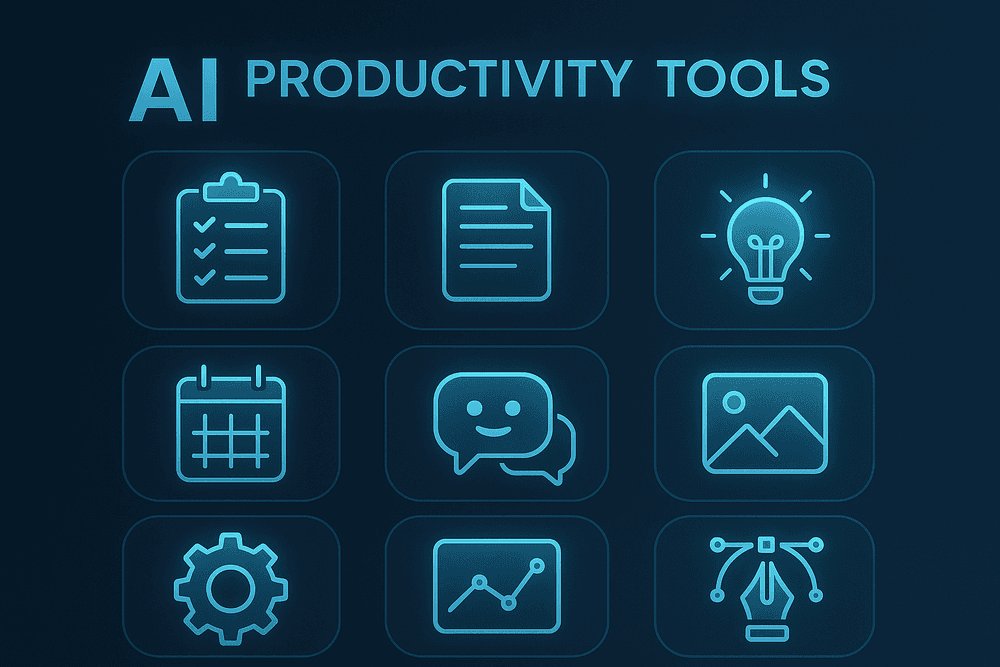
Navigating the Ecosystem of AI Productivity Tools: A Comparative Look
The landscape of ai productivity tools is vast and ever-expanding, making it crucial to understand the different types available to truly harness their power. Think of it like a well-organized toolkit; knowing which tool to pick for which job is half the battle. These intelligent assistants generally fall into several key categories:
Categorizing AI Productivity Tools: From Task Management to Creative Assistants
To make sense of the burgeoning market, let's break down ai productivity tools into functional groups:
- Task Management & Automation: These tools use AI to streamline your daily to-dos. Imagine intelligent schedulers that find the optimal time for meetings by analyzing everyone's availability, or platforms that learn and automate recurring administrative tasks, freeing up your mental bandwidth for more strategic work.
- Project Management Powerhouses: Going beyond simple task lists, these ai productivity tools are designed to assist in managing complex projects. They can offer AI-driven insights for optimizing resource allocation, predicting potential roadblocks by analyzing past project data, and providing intelligent, automated progress reports.
- Creative & Content Assistants: Are you facing writer's block or in need of a design spark? AI-powered writing assistants can help draft, edit, summarize, and optimize text for various purposes. Other creative ai productivity tools can generate image concepts, brainstorm ideas, or even assist with basic coding tasks.
- Communication & Collaboration Enhancers: In today's interconnected world, seamless teamwork is paramount. These tools aim to make it just that. Think of AI-driven meeting summarization that captures key decisions and action items, real-time translation features for global teams, or intelligent filtering of communication channels to highlight what's most important.
- Data Analysis & Insight Generators: For professionals who regularly work with data, specific ai productivity tools can rapidly sift through vast datasets to uncover patterns, generate comprehensive reports, and provide actionable insights far faster and often more accurately than manual methods.
- Personal Efficiency Boosters: This broad category encompasses a variety of ai productivity tools focused on individual output, from smart email clients that learn to prioritize your inbox and suggest replies, to focus applications that minimize distractions based on AI-driven insights into your work patterns.
Understanding these categories is the first step in identifying which ai productivity tools can best address your specific productivity bottlenecks and transform your workflows.
Top AI Productivity Tools for Project Management: Features, Pricing, and User Cases
When it comes to steering complex projects towards successful completion, ai productivity tools specifically designed for project management are becoming indispensable co-pilots. They don’t just track tasks; they intelligently enhance how projects are planned, executed, and monitored.
Key Features to Look For:
- Intelligent Task Scheduling & Prioritization: AI algorithms can analyze task dependencies, team member availability, skill sets, and overall project urgency to suggest optimal schedules and highlight critical path activities.
- Automated Resource Allocation: Some advanced ai productivity tools can suggest the best team members for specific tasks based on their current workload, skills matrix, and even past performance on similar tasks.
- Risk Prediction & Mitigation: By continuously analyzing historical project data and current project metrics, these tools can flag potential risks—like budget overruns or schedule delays—early, allowing for proactive intervention.
- Automated Reporting & Progress Tracking: Save valuable manager time by automatically generating insightful progress reports, customized for different stakeholders, offering a real-time view of project health.
Pricing Considerations:
Most ai productivity tools in the project management sphere operate on a Software-as-a-Service (SaaS) subscription model. Pricing is often tiered based on the number of features, the number of users, or the volume of projects managed. Always look for free trials or freemium versions to test the tool’s suitability for your team’s specific needs before committing to a paid plan.
Common User Cases:
- Technology Companies: Managing agile software development sprints, tracking bug fixes, and coordinating complex release schedules.
- Marketing Agencies: Coordinating multi-channel campaigns, managing creative asset pipelines, and tracking client deliverables against tight deadlines.
- Construction Firms: Overseeing intricate project timelines, managing on-site resource allocation, and maintaining strict budget controls.
Best AI Writing Assistants and Content Creation Tools to Boost Your Output
Whether you're a professional writer, a marketer crafting compelling copy, a student working on an essay, or a business professional drafting detailed reports, AI writing assistants and content creation tools are poised to significantly elevate your output and quality. These versatile ai productivity tools can act as your personal editor, tireless brainstormer, and sometimes even a capable co-writer.
Core Capabilities to Seek:
- Advanced Grammar, Style & Tone Checks: Moving far beyond basic spell-checking, sophisticated AI tools offer nuanced suggestions on improving clarity, conciseness, readability, style consistency, and even adjusting the tone of your writing to match your intended audience.
- Content Generation & Ideation: From generating blog post outlines and social media updates to suggesting multiple ad copy variations and creative headlines, these tools can break through creative blocks and accelerate the initial drafting process.
- Summarization & Paraphrasing: Need to quickly grasp the essence of a long document or rephrase existing content for a different platform or purpose? Many ai productivity tools can do this in seconds.
- SEO Optimization Features: For digital content creators, many AI writing assistants integrate SEO functionalities, suggesting relevant keywords, analyzing content for search engine readability, and helping to improve online visibility.
Pricing Insights:
Subscription models are prevalent, often with different tiers based on usage limits (e.g., word count per month), access to premium features (like advanced AI models, plagiarism checkers), or the number of user seats. Many offer limited free versions or trial periods, which are perfect for assessing their fit for your writing needs.
Who Benefits Most?
- Content Marketers & Bloggers: Dramatically accelerating content production schedules, ensuring SEO-friendliness, and maintaining a consistent brand voice across all materials.
- Students & Academics: Improving the quality of essays, research papers, and dissertations by refining arguments, checking for clarity, and assisting with proper structuring.
- Business Professionals: Crafting clearer, more persuasive emails, compelling proposals, and comprehensive reports with significantly greater efficiency and polish.
Comparing AI-Powered Communication and Collaboration Platforms
Effective teamwork is the bedrock of organizational productivity, and emerging AI-powered communication and collaboration platforms are revolutionizing how teams connect, share information, and work together towards common goals. These aren't just your standard chat applications or video conferencing tools with a new AI badge; they strategically leverage artificial intelligence to make team interactions smarter, more efficient, and notably more inclusive.
How AI Elevates Teamwork:
- Intelligent Meeting Summaries & Action Items: Say goodbye to laborious note-taking. AI can transcribe meetings in real-time or from recordings, automatically identify key discussion points, and extract actionable items, sometimes even suggesting assignees based on conversation context.
- Real-Time Translation: For global teams, AI-driven real-time translation features within chat and video calls break down language barriers, fostering better understanding and smoother collaboration across diverse linguistic backgrounds.
- Sentiment Analysis (Use Ethically): Some platforms offer AI-powered sentiment analysis, which can provide insights into team morale, customer satisfaction during support interactions, or overall engagement by analyzing language patterns in communications. It's crucial to use such features ethically and transparently.
- Advanced Noise Cancellation & Voice Enhancement: AI significantly improves audio quality in virtual meetings by intelligently filtering out distracting background noise and enhancing voice clarity, leading to more focused discussions.
- Smart Notifications & Channel Prioritization: To combat information overload, AI can help manage the constant stream of messages by highlighting urgent communications, summarizing unread channel activity, or even suggesting when to disconnect for focused work.
When choosing these types of ai productivity tools, carefully consider their integration capabilities with your existing software stack, their commitment to robust security and data privacy, and their overall ease of use to ensure wide adoption and maximum benefit for your team. The ultimate goal is to foster clearer communication and more focused, productive collaboration, leading to a significant boost in collective output.
Essential Features That Define Powerful AI Productivity Tools
Not all AI productivity tools are created equal. The true powerhouses in this rapidly evolving landscape share core characteristics that transform them from novelties into indispensable assets for efficiency. Understanding these essential features will help you identify AI productivity tools that can genuinely revolutionize your workflow and unlock new levels of output, for professional or personal endeavors.
Intelligent Automation: Your Personal Task Force
At the heart of exceptional AI productivity tools lies intelligent automation – the ability to take over mundane, repetitive tasks that consume your valuable time. Imagine an assistant tirelessly sorting emails, transcribing meeting notes accurately, scheduling appointments seamlessly, or drafting reports from data. This is what sophisticated AI productivity tools offer. They use AI to understand context and make decisions, going beyond simple rule-based automation. This frees you from routine work, allowing focus on strategic thinking and creative problem-solving. The result? Reduced workload, fewer errors, and a more engaged, productive you.
Seamless Integration: Bridging the Gaps in Your Workflow
The effectiveness of an AI productivity tool is significantly amplified by its ability to integrate with your existing digital ecosystem. Powerful AI productivity tools offer robust APIs, pre-built connectors, or plugins for popular software like CRMs, project management platforms (e.g., Asana, Trello), communication apps (e.g., Slack, Teams), and cloud storage. This interconnectedness allows a smooth flow of data, automating workflows across applications. For instance, an AI email assistant might automatically create tasks in your project management tool from email content. This level of integration minimizes manual data transfer, reduces friction, and ensures your AI productivity tools enhance your established processes.
Personalization and Learning: AI That Grows With You
Modern AI productivity tools aren't static; they learn and adapt to your unique needs over time. Through machine learning (ML), these tools analyze your usage patterns and feedback to offer an increasingly personalized experience. This could be an AI writing assistant learning your style, a smart calendar optimizing scheduling suggestions, or a task manager prioritizing based on your work rhythms. The more you use these intelligent AI productivity tools, the smarter they become, attuned to your specific requirements. This continuous learning transforms the tool into a personal assistant, anticipating needs and providing proactive support for peak productivity.
Data Security and Privacy: Protecting Your Digital Assets
As AI productivity tools often handle sensitive information, from confidential business data to personal communications, data security and privacy are paramount. Reputable AI productivity tools prioritize data protection through robust security protocols. Look for features like end-to-end encryption, multi-factor authentication, access controls, and regular security audits. It's crucial to understand how the AI productivity tool processes, stores, and protects your data. Always review the provider's privacy policy, paying attention to data ownership, usage rights, and compliance with regulations like GDPR or CCPA. Choosing AI productivity tools from vendors transparent about their security and holding certifications (e.g., SOC 2, ISO 27001) is essential for safeguarding your digital assets.

Mastering AI Productivity Tools: Best Practices for Maximum Impact
So, you're ready to harness the power of AI productivity tools, but where do you begin to ensure you're getting the most out of them? It's not just about acquiring the latest AI gadget; it's about strategic implementation and continuous refinement. Let's explore best practices to transform these innovative tools into true catalysts for efficiency and impact in your professional and personal life.
Setting Clear Goals: Your AI Productivity Roadmap
Before diving headfirst into the exciting world of AI productivity tools, pause and ask: "What do I really want to achieve?" Without clear objectives, even the most powerful AI can feel directionless. Think of it like setting a destination in your GPS; you need to know where you're going to leverage the tool effectively.
Start by identifying your biggest time sinks or areas where you feel least productive. Do you want to:
- Slash the time spent on email management?
- Automate the creation of first drafts for reports or marketing copy?
- Streamline your research process?
- Improve the organization of your tasks and projects?
Once you've pinpointed these areas, define SMART goals (Specific, Measurable, Achievable, Relevant, Time-bound) for your use of AI productivity tools. For instance, instead of a vague "I want to be more productive," aim for "I will use an AI writing assistant to reduce the time spent drafting weekly reports by 30% within the next month." Clearly defined goals will guide your tool selection and help you measure success, ensuring your chosen ai productivity tools deliver tangible results.
Seamless Integration: Weaving AI Tools into Your Daily Workflow
Adopting new technology can sometimes feel disruptive, but integrating AI productivity tools into your daily routine can be a smooth process with a little planning. The key is to start small and be intentional.
- Identify Repetitive Tasks: Look for tasks you do regularly that are time-consuming but don't require complex creative thinking. These are often prime candidates for AI automation.
- One Tool at a Time: Avoid overwhelming yourself by trying to master multiple ai productivity tools simultaneously. Pick one that addresses a significant pain point based on your goals, learn its core functionalities, and integrate it fully before moving on to the next.
- Schedule Learning & Practice: Dedicate specific, even if short, blocks of time to explore the features of your new AI tool. Practice using it in real-world scenarios. Many ai productivity tools offer tutorials or templates to get you started.
- Build New Habits: Consciously choose the AI tool over your old methods. For example, if you've adopted an AI meeting assistant, make it a habit to use it for every meeting to generate summaries and action items.
- Look for Native Integrations: Many ai productivity tools integrate with software you already use (e.g., email clients, calendars, project management platforms). Leverage these integrations for a more seamless workflow.
Smooth adoption means making these tools feel like natural extensions of your work process, not added burdens.
Unlocking AI Power: Prompt Engineering Basics for Everyone
You don't need to be a tech wizard to get great results from generative AI productivity tools like writing assistants or image creators. The secret often lies in "prompt engineering" – essentially, learning how to ask the AI for what you want clearly and effectively. Think of it as giving good directions.
Here are some foundational principles for crafting effective prompts:
- Be Specific: Vague prompts yield vague results. Instead of "write an email," try "write a follow-up email to a potential client who expressed interest in our new software during a demo last Tuesday. Maintain a professional but friendly tone and highlight the key benefit of improved efficiency."
- Provide Context: Give the AI relevant background information. If you're asking it to summarize a document, tell it the document's purpose and intended audience.
- Define the Role: You can instruct the AI to adopt a persona. For example, "Act as an experienced marketing manager and suggest three catchy slogans for a new eco-friendly coffee brand."
- Specify Format and Length: Do you want bullet points, a paragraph, a five-item list, or a 200-word summary? Tell the AI.
- Iterate and Refine: Your first prompt might not be perfect. Don't be afraid to tweak your instructions, add more detail, or rephrase your request until you get the desired output from your ai productivity tools.
Mastering these basics will significantly enhance the quality and relevance of the output you receive from your chosen ai productivity tools.
Evolving Your Edge: Continuously Evaluating and Optimizing Your AI Tool Usage
The landscape of AI productivity tools is constantly evolving, with new features and even entirely new tools emerging at a rapid pace. To maintain maximum impact, your approach to using these tools should also be dynamic.
- Regularly Review Your Goals: Are the ai productivity tools you’re using still helping you achieve the objectives you initially set? As your needs change, your toolset might need to adapt.
- Track Your Performance: If a tool was meant to save you time, is it? If it was intended to improve quality, are you seeing that improvement? Quantify the benefits where possible.
- Stay Updated: Follow news about your current ai productivity tools. Are there new features you could be leveraging? Are there better or more specialized tools now available for your specific tasks?
- Experiment and Explore: Don't get stuck in a rut. Periodically, set aside time to explore new ai productivity tools or new ways to use your existing ones. You might discover even more efficient workflows.
- Don't Be Afraid to Switch: If a particular AI tool isn't delivering value, or if a better alternative emerges, be open to making a change. The goal is optimal productivity, not loyalty to a specific piece of software.
By continuously evaluating and optimizing your use of AI productivity tools, you ensure they remain powerful allies in your quest for greater efficiency and achievement.
AI Productivity Tools in Action: Real-World Use Cases and Success Stories
The true power of ai productivity tools shines when we see them applied in real-world scenarios. From bustling marketing agencies to driven freelancers and innovative small businesses, artificial intelligence is no longer a futuristic concept but a present-day catalyst for efficiency and growth. Even in our personal lives, these smart solutions are helping individuals manage their time and tasks like never before. Let's explore how different groups are successfully leveraging ai productivity tools.
How Marketing Teams Use AI Productivity Tools to Scale Campaigns
Marketing teams are constantly under pressure to deliver impactful campaigns, personalize experiences, and demonstrate ROI, often with tight budgets. AI productivity tools are becoming indispensable allies. For instance, AI-powered content generation tools can draft ad copy, social media updates, and even initial blog outlines in minutes, freeing up human creativity for strategy and refinement. AI algorithms within advertising platforms optimize bidding and targeting in real-time, ensuring campaigns reach the right audience with maximum efficiency. Furthermore, AI-driven analytics tools sift through vast datasets to uncover customer insights, predict trends, and measure sentiment, enabling data-backed decisions.
Success Story: A global e-commerce brand integrated ai productivity tools to personalize their email marketing at scale. By using AI to segment audiences based on behavior and automatically generate tailored subject lines and product recommendations, they achieved a 25% increase in click-through rates and a 15% uplift in conversion rates, all while reducing manual effort.
Freelancers Supercharging Their Output with AI Productivity Tools
For freelancers, time is the most valuable commodity. Juggling multiple clients, administrative tasks, and the core work itself demands peak efficiency. AI productivity tools are game-changers for solo professionals. AI writing assistants help draft proposals, emails, and even complex reports faster. AI-powered project management and scheduling tools automate administrative burdens, while AI transcription services can convert hours of audio into text in minutes. Many freelancers are also using ai productivity tools for research, brainstorming creative ideas, and even generating initial design concepts, allowing them to take on more projects and boost their income.
Success Story: A freelance graphic designer started using AI--nhanced design software and an AI-powered research assistant. This allowed her to cut down her concept development time by 30% and administrative tasks by 5 hours a week, enabling her to serve more clients and increase her annual revenue by 20% without experiencing burnout.
Streamlining Operations in Small Businesses with Smart AI Solutions
Small businesses often operate with lean teams and limited resources, making operational efficiency crucial for survival and growth. Smart ai productivity tools offer powerful solutions. AI-driven chatbots, for example, can handle customer inquiries 24/7, qualify leads, and provide instant support, improving customer satisfaction without needing a large support team. AI can also optimize inventory management by predicting demand, reducing waste, and ensuring popular items are always in stock. In finance, ai productivity tools automate bookkeeping, track expenses, and even offer insights into cash flow, providing clarity and control.
Success Story: "The Cozy Corner Cafe," a local small business, implemented an AI-powered system for online order taking and staff scheduling. This reduced phone call interruptions by 40% and optimized staff allocation, leading to smoother operations, fewer errors, and a 15% increase in takeaway orders, directly impacting their bottom line.
Personal Productivity Hacks: Using AI Tools to Manage Your Life Like a Pro
The benefits of ai productivity tools extend beyond the professional sphere, offering innovative ways to manage personal lives with greater ease and efficiency. Imagine an AI assistant that not only manages your to-do list but also intelligently schedules tasks into your calendar, optimizing your day. AI-powered apps can help you learn a new language faster, summarize lengthy articles to save reading time, or create personalized fitness and meal plans. Even managing personal finances becomes simpler with AI tools that track spending, identify savings opportunities, and offer budgeting advice. These ai productivity tools help reclaim time and mental energy for what truly matters.
Example: Individuals are using AI to generate weekly meal plans based on dietary preferences and on-sale grocery items, automate bill payment reminders, and even get AI--uggested replies for routine emails, effectively decluttering their daily cognitive load and fostering a more organized, productive lifestyle.

The Future is Efficient: Your Next Steps with AI Productivity Tools
The journey into leveraging artificial intelligence for enhanced productivity is an exciting one. Now that you understand the potential of AI productivity tools to automate tasks, streamline workflows, and help you achieve greater efficiency, it's time to take concrete steps. This section will guide you through choosing the right tools, getting started, staying updated, and ultimately, transforming your productivity.
Choosing the Right AI Productivity Tools for Your Specific Needs
The world of AI productivity tools is vast, offering solutions for nearly every task. To choose wisely, start by identifying your specific needs. What are your biggest time-wasters or workflow bottlenecks? Pinpoint these pain points—be it email overload, content creation struggles, or repetitive data entry. Then, seek out AI productivity tools designed for those areas, such as AI writers, smart schedulers, or project automators. Prioritize tools that integrate with your existing software to ensure a smooth transition. Evaluate free trials or freemium versions to test suitability before committing financially. Remember, the best AI productivity tool for you will be user-friendly and align perfectly with your goals, helping you to intelligently automate and enhance your daily operations.
Getting Started: Quick Start Guide to Implementing Your First AI Tool
Ready to implement your first AI productivity tool but unsure where to begin? The key is to start small to build confidence and see immediate results. This approach makes integrating AI productivity tools into your professional and personal endeavors far less daunting.
- Pinpoint a Task: Select one specific, manageable task you want to improve with an AI productivity tool. This could be drafting initial email responses, transcribing audio from meetings, or organizing your digital files.
- Research & Select: Based on this task, explore relevant AI productivity tools. Consider features, the learning curve, user reviews, and how well it addresses your specific need for task automation.
- Sign Up & Learn: Most AI productivity tools offer simple onboarding processes. Once you’re set up, utilize any tutorials, knowledge bases, or demo content they provide to understand its core functionalities.
- Integrate & Test: Introduce the chosen AI productivity tool into a small, controlled part of your workflow. For instance, use an AI writing assistant for one type of document, or an AI scheduler for a limited set of appointments. Observe its impact on efficiency and the quality of the output.
- Iterate & Adapt: Be patient during the learning curve. Experiment with different features and settings. As you discover what works best, adjust your usage to maximize the benefits of your chosen AI productivity tool.
This gradual approach demystifies AI productivity tools and allows you to experience their benefits directly, paving the way for broader adoption and more significant gains in efficiency.
Staying Ahead: Resources for Learning About New AI Productivity Tools and Trends
The field of AI productivity tools evolves rapidly, with new innovations and applications emerging constantly. To continuously leverage AI for maximum efficiency and to keep your workflows streamlined, staying informed is crucial. Cultivate a habit of ongoing learning by tapping into reliable resources.
Follow reputable tech blogs, industry news websites, and dedicated AI publications that frequently cover advancements in artificial intelligence and productivity software. Subscribe to AI-focused newsletters; many curate the latest AI productivity tools, cutting-edge trends, and expert insights directly to your inbox. Podcasts featuring industry leaders and AI developers offer valuable perspectives on the evolving role of AI productivity tools in various sectors. For deeper, more analytical understanding, look for industry reports and whitepapers. Engage with vibrant online communities on platforms like LinkedIn or specialized forums. Following AI researchers, innovative companies, and thought leaders on social media can also provide real-time updates. Don't shy away from dedicating a small amount of time each month to exploring and experimenting with new AI productivity tools that catch your eye. This proactive learning approach will ensure you’re always equipped with the knowledge to choose and implement the best AI solutions for your needs.
Take the Leap: Transform Your Productivity with AI Starting Now!
The future of efficiency isn't a distant dream; it's here, powered by artificial intelligence and ready to augment your capabilities. You've explored how AI productivity tools can automate the mundane, streamline complex workflows, and critically, free up your valuable time for more strategic, creative, and fulfilling work.
Perhaps a sliver of hesitation lingers – a natural apprehension towards new technology or the unknown. It's important to reframe this: AI productivity tools are not about replacement, but empowerment. They are designed to be your partners, enhancing your skills and enabling you to achieve unprecedented levels of efficiency in both your professional and personal life. The question isn't if you should adopt these transformative tools, but how quickly you can begin to reap their benefits. Don't let the sheer pace of innovation intimidate you into inaction. Taking that first step is the most important one on your journey to enhanced productivity. Choose one area, select one AI productivity tool that addresses a clear need, and begin. Experience firsthand how these intelligent solutions can redefine your daily tasks and overall effectiveness. The time to transform your productivity with AI productivity tools is now. Take that leap and unlock your full potential!