
August 22, 2025
An Introduction to AI Trend Forecasting
The Dawn of Predictive Insight: An Introduction to AI Trend Forecasting
In an age of information overload, where market dynamics shift with the speed of a viral tweet, businesses can no longer afford to simply react. The future belongs to those who can anticipate it. This is the promise of AI trend forecasting—a revolutionary approach that transforms massive, chaotic datasets into clear, actionable predictions about what’s next.
So, what is AI trend forecasting? At its core, it is the application of artificial intelligence, particularly machine learning (ML) and natural language processing (NLP), to analyze vast quantities of data from diverse sources. This includes social media conversations, news articles, search engine queries, academic papers, and customer reviews. Unlike traditional methods that rely on structured historical data, AI can understand the context, sentiment, and hidden connections within unstructured text, images, and video. It sifts through the digital noise to identify nascent patterns and emerging narratives, predicting future consumer behavior, market shifts, and technological disruptions with a level of accuracy and speed previously unimaginable.
Why Traditional Forecasting Is No Longer Enough
For decades, businesses have relied on established forecasting methods: historical sales analysis, customer surveys, focus groups, and expert panels. While valuable in a more stable world, these tools are now fundamentally mismatched for the pace and complexity of the digital era. They are, in essence, a rear-view mirror in a world that demands a forward-looking GPS.
Traditional forecasting is:
- Too Slow: The manual collection and analysis of data can take weeks or months, by which time the trend may have already peaked or vanished.
- Too Narrow: It often operates within data silos, failing to capture the cross-pollination of ideas that happens across different platforms and industries. It might track sales figures but miss the cultural conversation on Reddit that will drive next quarter's demand.
- Too Biased: It is susceptible to human bias and interpretation. Gut feelings and past experiences can color analysis, leading to missed opportunities or flawed conclusions.
The Competitive Edge of Predictive vs. Reactive Strategies
The shift to AI trend forecasting marks a fundamental change in business strategy—from reactive to predictive. A reactive company is always playing catch-up. It sees a competitor's success and scrambles to launch a similar product. It responds to a market downturn after the financial impact is already felt. This defensive posture is resource-intensive and perpetually keeps you one step behind.
A predictive strategy, in contrast, puts you in control. By leveraging AI to see around the corner, you can:
- Achieve First-Mover Advantage: Identify and meet an emerging consumer need before it becomes mainstream and long before your competitors even spot the opportunity.
- Optimize Resources: Allocate marketing, R&D, and inventory budgets with confidence, investing in trends that are quantifiably gaining momentum.
- Mitigate Risk: Detect negative sentiment or potential supply chain disruptions in their infancy, allowing you to act proactively to protect your brand and operations.
Ultimately, AI trend forecasting closes the gap between what has happened and what will happen. It equips leaders with the foresight to not just navigate the future, but to actively shape it.

How AI Trend Forecasting Works: Core Technologies and Platforms
Ever wonder what’s happening under the hood of an AI trend forecasting platform? It’s not magic; it's a powerful combination of sophisticated algorithms, vast datasets, and intelligent processing. By understanding these core components, you can better appreciate how AI uncovers the "next big thing" long before it hits the mainstream.
Machine Learning and NLP: The Brains Behind the Predictions
At the heart of AI trend forecasting lie two critical technologies: Machine Learning (ML) and Natural Language Processing (NLP). Think of them as the system's analytical brain and its ears, respectively.
- Machine Learning (ML) is the engine that detects patterns. ML algorithms sift through millions of data points, identifying subtle correlations and trajectories that are invisible to the human eye. Instead of being explicitly programmed, these models learn from historical data to recognize the signals that precede a trend's emergence, peak, and decline. They are constantly refining their understanding, getting smarter and more accurate with every new piece of information they process.
- Natural Language Processing (NLP) gives the AI the ability to understand human language. The internet is a massive, unstructured conversation happening across social media, forums, news sites, and product reviews. NLP technology deciphers this text, extracting not just keywords but also sentiment, context, and intent. It can tell if chatter around a new ingredient is positive, a new software is frustrating users, or a fashion style is gaining ironic traction. This qualitative insight is what gives AI trend forecasting its nuanced, human-centric power.
Comparing Top AI-Powered Forecasting Tools on the Market
The market for AI trend forecasting platforms is growing, with different tools catering to specific needs. While not an exhaustive list, here’s a look at the types of platforms available:
- For Emerging Topics & Keywords (e.g., Exploding Topics, Glimpse): These tools excel at analyzing search data, online discussions, and media mentions to identify topics and products experiencing rapid growth in public interest. They are ideal for content creators, SEO specialists, and e-commerce entrepreneurs looking to capitalize on nascent search trends.
- For Consumer & Product Innovation (e.g., Tastewise, Black Swan Data): Focused on specific industries like food & beverage or CPG, these platforms dive deep into consumer behavior, analyzing recipes, reviews, and social posts to predict flavor trends, new product demands, and shifting lifestyle choices. They help R&D and marketing teams innovate with confidence.
- For Enterprise & Strategic Foresight (e.g., Signal AI): These comprehensive platforms are built for larger organizations. They monitor a vast spectrum of external data—from news and regulatory filings to market reports and social media—to provide high-level strategic insights on market shifts, competitive intelligence, and reputational risk.
The Role of Big Data in Accurate Trend Analysis
AI is a powerful engine, but it runs on data. The accuracy and reliability of AI trend forecasting are directly dependent on the volume, velocity, and variety of the data it analyzes. This is where "Big Data" comes in.
An effective AI model doesn't just look at one data source; it synthesizes information from dozens or even hundreds. These can include:
- Search Engine Queries: A direct look into the collective curiosity of the public.
- Social Media Conversations: Raw, real-time insights into consumer sentiment and cultural shifts.
- E-commerce Sales Data: Hard numbers on what people are actually buying.
- News Articles & Media Mentions: How ideas are being framed and amplified.
- Academic Papers & Patent Filings: Early indicators of technological and scientific breakthroughs.
By cross-referencing these diverse datasets, the AI can validate a potential trend, distinguishing a fleeting fad from a significant, long-term shift. The more high-quality data the system has, the clearer the picture of the future becomes.
Key Benefits: Unlocking Business Growth with AI Trend Forecasting
In today's hyper-competitive landscape, staying ahead of the curve isn't just an advantage—it's a necessity. Traditional forecasting methods, often reliant on historical data and human intuition, can no longer keep pace with the speed of digital culture. This is where AI trend forecasting transforms the game, turning reactive business models into proactive powerhouses. By leveraging artificial intelligence, you can unlock a suite of benefits that directly translate to increased revenue, enhanced efficiency, and sustainable growth.
Anticipate Market Shifts Before They Happen
The greatest power of AI trend forecasting is its ability to grant you a glimpse into the future. Instead of reacting to a competitor's successful launch or a market report that's already weeks old, AI-powered systems analyze a massive-scale, real-time flow of data. This includes social media conversations, search engine queries, news articles, academic papers, and e-commerce data. By identifying nascent patterns and subtle shifts in this data ocean, the AI can flag emerging trends long before they become mainstream.
This predictive capability acts as an early warning system, allowing you to:
- Pivot Strategy: Adjust your product roadmap or service offerings to align with upcoming demand.
- Identify White Space: Discover untapped market opportunities and new customer niches before your competitors.
- Mitigate Risk: Foresee potential downturns in demand for existing products, allowing for a planned scale-back rather than a costly fire sale.
Deepen Your Understanding of Future Consumer Behavior
Knowing what is trending is valuable, but understanding why is revolutionary. AI trend forecasting goes beyond simple keyword tracking to deliver a nuanced, multidimensional view of consumer motivations. Using advanced techniques like Natural Language Processing (NLP) and sentiment analysis, AI models can interpret the context, emotion, and underlying values driving conversations online.
This deeper insight helps you build a more accurate and dynamic picture of your future customer. You can understand not just the products they will want, but the lifestyle they aspire to, the problems they need to solve, and the brand values they will resonate with. This allows you to connect with your audience on a more authentic level, fostering loyalty and building a brand that feels genuinely in-sync with its community.
Optimize Inventory, Marketing, and Supply Chain Decisions
Predictive insights are only powerful when they translate into concrete action. The true ROI of AI trend forecasting is realized when it informs and optimizes core business operations. When you can reliably predict what consumers will want next, you can make smarter, data-driven decisions across the board.
- Inventory Management: Eliminate the guesswork that leads to overstocking and understocking. AI-driven demand forecasts ensure you have the right amount of the right product at the right time, minimizing carrying costs and lost sales.
- Marketing Strategy: Allocate your marketing budget with precision. Create campaigns that speak directly to emerging consumer sentiments, using the exact language and channels that will have the most impact. You can craft messaging that feels timely and relevant, drastically improving engagement and conversion rates.
- Supply Chain Agility: Proactively adjust your supply chain to meet anticipated demand. From sourcing raw materials to managing logistics and production schedules, AI forecasts give you the lead time needed to operate efficiently, reduce bottlenecks, and improve your bottom line.
AI Trend Forecasting in Action: Real-World Use Cases
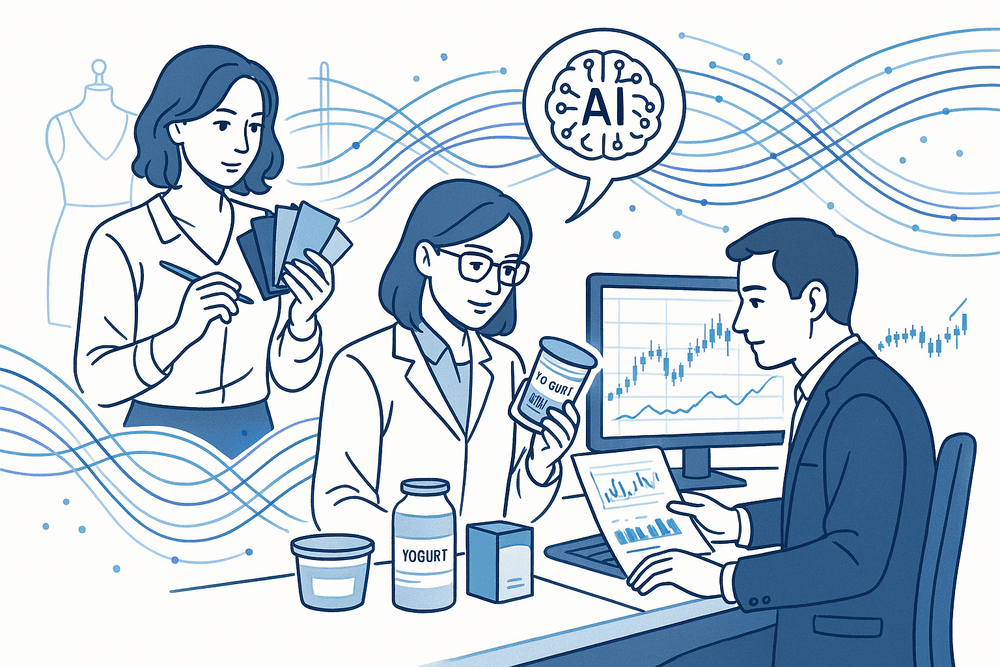
The true power of ai trend forecasting isn’t just in the algorithms, but in the tangible, game-changing results it delivers. Across industries, businesses are moving beyond guesswork and historical analysis to make proactive, data-driven decisions that define market leadership. From the catwalk to the checkout aisle to the trading floor, let's explore how artificial intelligence is predicting the future, today.
Case Study: How the Fashion Industry Predicts Next Season’s Hits
The fashion cycle moves at lightning speed, where a single misplaced bet on a color or silhouette can result in millions in unsold inventory. Traditionally, brands relied on the intuition of seasoned designers and trend spotters. Now, ai trend forecasting provides a crucial data-backed edge.
AI platforms continuously analyze millions of data points in real-time: images from Instagram and TikTok, runway show photos, street style blogs, and e-commerce search queries. Advanced image recognition identifies micro-trends as they bubble up—a specific shade of green gaining traction, the resurgence of a Y2K-era handbag, or a new popular fabric texture. Fashion intelligence companies like Heuritech use this technology to quantify trends, allowing brands like Louis Vuitton and Dior to validate their creative instincts with hard data. This enables them to optimize production runs, drastically reduce waste, and ensure the "next big thing" is in their stores the moment consumers are ready to buy.
Case Study: CPG Brands Using AI to Forecast Demand for New Products
For Consumer Packaged Goods (CPG) companies, launching a new product is a high-stakes gamble. The market is saturated, and consumer preferences are notoriously fickle. What flavor of sparkling water or type of plant-based snack will fly off the shelves next year?
This is where ai trend forecasting revolutionizes product innovation. AI models digest vast amounts of unstructured data, from online customer reviews and food blogs to social media conversations and search engine trends. By applying Natural Language Processing (NLP), these systems can pinpoint emerging consumer needs and identify "white space" in the market. For example, an AI might detect a growing online conversation linking "gut health" with "exotic spices," suggesting a market opportunity for a turmeric-ginger-infused beverage. CPG giants use these insights to de-risk their R&D pipeline, ensuring new product launches are aligned with genuine, emerging consumer demand. This leads to higher adoption rates, more effective marketing, and a stronger return on investment.
Case Study: AI in Finance for Predicting Market Volatility
In the high-stakes world of finance, anticipating market volatility can be the difference between profit and catastrophic loss. While no one has a crystal ball, ai trend forecasting provides an unprecedented ability to identify risk and opportunity signals hidden within massive datasets.
Financial institutions now deploy sophisticated machine learning models that analyze a torrent of information far beyond traditional stock tickers. These systems scan global news articles, regulatory filings, corporate earnings call transcripts, and even the collective sentiment of social media posts on platforms like X (formerly Twitter) and Reddit. By detecting subtle shifts in language, sentiment, and correlated global events, these AI tools can provide early warnings of increased market volatility or identify emerging investment themes before they hit the mainstream. Hedge funds and investment banks use these predictive analytics to adjust portfolios, manage risk proactively, and execute more informed trading strategies, turning information overload into a decisive competitive advantage.
Best Practices for Implementing Your AI Forecasting Strategy
Adopting AI-powered trend forecasting is more than a technological upgrade; it's a strategic transformation. To move from raw data to actionable, market-leading insights, you need a robust implementation plan. Following these best practices will ensure your investment yields reliable predictions and a significant competitive advantage.
Integrating AI Insights into Your Core Business Strategy
An AI forecasting tool is most powerful when its insights are woven into the fabric of your organization's decision-making processes. It should not operate in a silo, accessible only to data scientists. The goal is to democratize predictive insights so they can inform actions across departments.
- Align with Business Goals: Before implementation, clearly define what you want to achieve. Are you looking to optimize inventory, personalize marketing campaigns, anticipate supply chain disruptions, or guide new product development? Aligning your ai trend forecasting efforts with specific, measurable business objectives is critical for success.
- Establish a Feedback Loop: Create clear channels for insights to flow from the AI model to key decision-makers in marketing, sales, and operations. Crucially, the results of these decisions—whether a campaign succeeded or a product launch exceeded expectations—should be fed back into the system to refine and improve future forecasts.
- Foster a Data-Driven Culture: Encourage teams to move from reactive analysis to proactive, predictive planning. This cultural shift involves training employees to trust and interpret AI-generated forecasts, empowering them to make bolder, more informed bets based on forward-looking data rather than historical reports alone.
Ensuring High-Quality Data for Reliable Predictions
The old adage "garbage in, garbage out" has never been more relevant. The accuracy of your AI models is entirely dependent on the quality and breadth of the data they are trained on. A sophisticated algorithm fed with poor data will produce poor results.
- Prioritize Data Governance: Implement strong data governance policies to ensure your data is clean, consistent, accurate, and up-to-date. This involves regular audits, data cleansing processes, and standardized data collection methods.
- Diversify Your Data Sources: A robust ai trend forecasting model thrives on a diverse diet of data. Combine your internal data (e.g., sales figures, CRM data, website analytics) with relevant external sources (e.g., social media trends, competitor activities, economic indicators, news sentiment). This holistic view provides the context needed to identify subtle but significant market shifts.
Avoiding Common Pitfalls in Your AI Implementation Plan
Navigating an AI implementation can be complex. Being aware of common pitfalls can help you sidestep costly mistakes and accelerate your path to ROI.
- The 'Black Box' Problem: Don't blindly trust the AI's output without understanding its reasoning. Strive for models with a degree of explainability (Explainable AI or XAI) and always involve human domain experts to validate and interpret the results. The most effective approach combines machine intelligence with human intuition and experience.
- Ignoring Model Maintenance: The market is dynamic, and a model trained on last year's data may not be effective today. Continuously monitor your model's performance, retrain it with fresh data, and test it against real-world outcomes to prevent "model drift" and ensure its predictions remain relevant and accurate.
- Setting Unrealistic Expectations: An ai trend forecasting system is a powerful tool for reducing uncertainty, not a crystal ball that eliminates it. It provides probabilities and identifies patterns, enabling smarter, data-backed decisions. Frame it as a strategic guide that enhances judgment, not a flawless oracle that replaces it.

The Future Is Predicted: Your Next Steps in AI Trend Forecasting
You've seen the power and potential of using artificial intelligence to see around the corner. The shift from reactive analysis to proactive strategy is no longer a futuristic concept—it's a competitive necessity. But how do you bridge the gap between understanding the technology and implementing it? This section will guide you through selecting the right tools, understanding the long-term vision, and taking your first concrete steps today.
Choosing the Right AI Forecasting Solution for Your Needs
Not all AI platforms are created equal. The ideal solution for your business depends entirely on your unique goals, industry, and existing data infrastructure. As you evaluate potential partners and tools for ai trend forecasting, consider these critical factors:
- Data Sources and Integration: A robust forecasting tool should pull from a wide array of data sources—social media, search engine trends, news articles, academic papers, and e-commerce data. Crucially, it must also integrate seamlessly with your own internal data, such as sales figures and CRM information, to provide a truly holistic view.
- Industry Specialization: A generic AI model may miss the specific nuances of your sector. Look for solutions with proven expertise in your industry, whether it's fashion, consumer packaged goods, finance, or technology. These specialized tools use domain-specific language models and algorithms for higher accuracy.
- Usability and Visualization: The most powerful insights are useless if they can't be understood. Prioritize platforms with intuitive dashboards, clear data visualizations, and customizable reports. Your team should be able to interpret and act on the data without needing a PhD in data science.
- Scalability: Your forecasting needs will evolve. Choose a solution that can scale with your business, from an initial pilot project in one department to an enterprise-wide predictive strategy.
Key Takeaways and Future Outlook
The core takeaway is simple: ai trend forecasting empowers you to move with certainty in an uncertain world. It replaces gut-based decision-making with data-validated foresight, giving you a powerful edge in product development, marketing, and strategic planning.
Looking ahead, the evolution of this technology is accelerating. We can expect even more sophisticated developments, including:
- Advanced Sentiment Analysis: AI will move beyond identifying keywords to understanding the complex context, sarcasm, and nuance within consumer conversations.
- Visual Trend Recognition: The integration of computer vision will allow platforms to identify emerging aesthetic trends from images and videos on social media in real time.
- Autonomous Recommendations: Future systems won't just predict a trend; they will recommend a specific set of strategic actions to capitalize on it, from adjusting ad spend to modifying the supply chain.
How to Start Building Your Predictive Strategy Today
Ready to get started? Building a predictive powerhouse doesn’t have to be an overwhelming overhaul. Follow these five steps to begin your journey into ai trend forecasting.
- Define Your Core Objective: What is the single most important question you want to answer? Whether it’s “What product features will customers demand next year?” or “Which emerging market should we enter next?” a clear goal will focus your efforts.
- Audit Your Data: Assess the state of your internal data. Is it clean, accessible, and organized? Identify the data you have and the data you need to achieve your objective.
- Launch a Focused Pilot Program: Don’t try to predict everything at once. Select one specific, high-impact area for a pilot project. Success here will build momentum and demonstrate clear ROI.
- Foster a Data-Driven Culture: Train your team to treat AI insights as a strategic co-pilot. Encourage curiosity and empower employees to ask bigger questions, knowing they have the data to back them up.
- Iterate, Learn, and Scale: Use the findings from your pilot to refine your approach. As you prove the value, you can confidently scale your predictive strategy across more functions of the business.