
July 4, 2026
Build the Hospitality Brand System Before You Build Campaigns
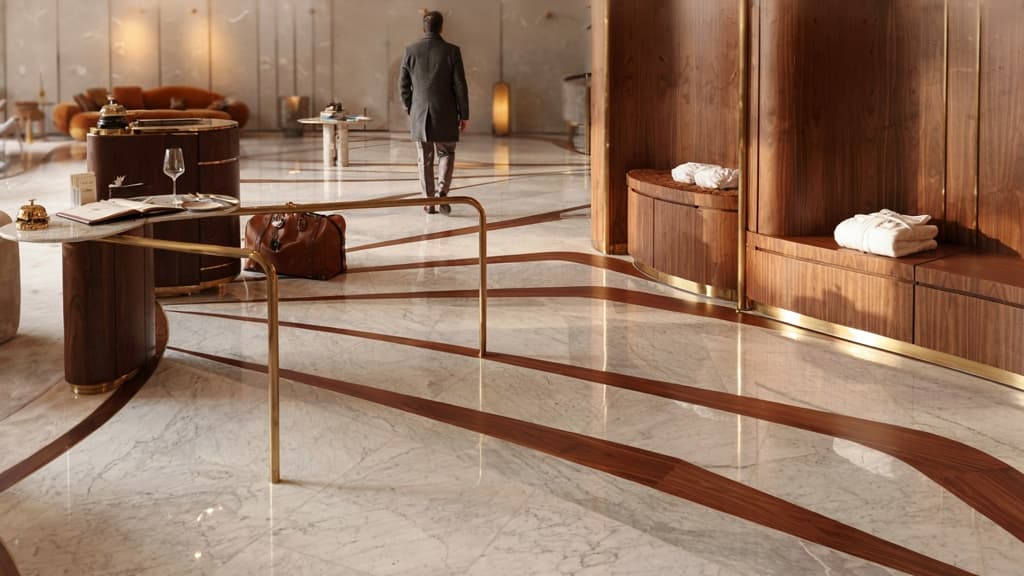
Before an agency starts producing ads, emails, social posts, landing pages, or seasonal promos, the client’s brand needs to be translated into a working system. Hospitality clients are especially vulnerable to inconsistency because every campaign is selling an experience the guest cannot fully judge until they arrive.
What is hospitality marketing?
Hospitality marketing is the work of shaping demand, trust, and preference for experience-led businesses such as hotels, resorts, restaurants, bars, venues, spas, attractions, and travel-adjacent brands.
Unlike product marketing, the “thing” being sold is often emotional and situational: a weekend that feels effortless, a dinner that feels worth the reservation, a venue that feels right for a milestone, a stay that feels tailored rather than transactional.
For agencies, that means the brand cannot live only in a strategy deck. It has to guide every output your team creates:
- How the property describes its atmosphere
- Which guest motivations the copy should lead with
- What level of polish, warmth, or exclusivity the visuals convey
- Which offers feel brand-aligned versus discount-driven
- How the client sounds across web, social, email, paid, and on-property messaging
Without that system, every channel becomes a separate creative exercise. That is how small teams end up rewriting the same ideas, rechecking tone from scratch, and producing work that looks technically fine but feels slightly off-brand.
Define the guest promise and positioning
A strong hospitality brand system starts with the guest promise: the specific experience the client is known for delivering.
This should be sharper than “great service” or “memorable stays.” Those phrases are too broad to help a copywriter, designer, media buyer, or AI tool make better decisions.
Instead, define the promise in terms your team can apply:
- For a boutique hotel: “A design-led local stay for travelers who want the neighborhood, not the tourist trail.”
- For a restaurant group: “Polished dining that feels celebratory without feeling stiff.”
- For a wellness retreat: “A calm, structured reset for guests who want guidance, not guesswork.”
- For an event venue: “A high-touch setting where hosts feel looked after from first inquiry to final toast.”
Then position the client against the real alternatives guests compare them with. A boutique inn may not be competing with every hotel in the city; it may be competing with short-term rentals, luxury chains, or nearby destination properties. A restaurant may be competing with other date-night spots, private dining rooms, or “just stay in” inertia.
Good positioning gives your agency creative boundaries. It tells the team what to emphasize, what to avoid, and where the brand should confidently stand apart.
Turn brand strategy into reusable campaign rules
The handoff from strategy to execution is where many agency workflows break down. A beautiful brand platform is useful only if it becomes repeatable production logic.
Convert the brand system into clear campaign rules your team can reuse across formats:
Brand input | Reusable campaign rule |
|---|---|
Guest promise | Lead with the experience outcome, not just the amenity |
Audience segments | Match messaging to trip intent, occasion, or dining need |
Tone of voice | Define words to use, words to avoid, and sample rewrites |
Visual direction | Clarify what scenes, moods, and details should appear repeatedly |
Offer strategy | Set boundaries for discounts, packages, upgrades, and urgency |
Proof points | Standardize which awards, reviews, press, or guest quotes support claims |
This is also where AI can become useful for small agencies instead of adding more tool sprawl. If the client’s brand, positioning, tone, offers, and proof points are ingested once, your team can generate first drafts that already respect the brand system.
That does not replace creative judgment. It removes the repetitive setup work, so every new campaign does not start with someone asking, “How does this client sound again?”

Acquire Guests With Channel-Specific Demand Generation
Once the brand system is set, acquisition gets much easier: each channel has a clear job, a clear audience, and a clear version of the guest promise to emphasize.
Capture high-intent demand with local SEO and search
For hotels, restaurants, venues, spas, and experience-based businesses, the most valuable demand often comes from people already searching with intent: “boutique hotel near [area],” “private dining [city],” “best rooftop bar [neighborhood],” “wedding venue for 100 guests.”
Agency teams should build search around that intent, not generic awareness.
Start with a query map by service line, location, occasion, and guest need:
- “Near me” and neighborhood searches
- Occasion-based searches: birthdays, corporate dinners, weekend breaks, weddings
- Amenity-led searches: dog-friendly, private rooms, outdoor terrace, spa packages
- Local comparison searches: best, top-rated, romantic, family-friendly
Then align each priority query to the right search asset: Google Business Profile, location pages, service pages, event pages, paid search campaigns, or local directory listings.
For Google Business Profile, keep the focus practical: categories, service areas, updated imagery, menu or service links, attributes, Q&A, and regular posts tied to timely demand. For paid search, separate brand, competitor, local intent, and occasion-based campaigns so budgets are not swallowed by broad, low-converting traffic.
This is where small agencies can create disproportionate value: many hospitality clients have beautiful visuals but messy local visibility. Cleaning up listings, search intent, and paid structure can unlock demand without reinventing the entire marketing engine.
Create seasonal paid media and social campaigns
Hospitality demand is rarely flat. Weekends, holidays, school breaks, weather, local events, and cultural moments all change what people want and when they book.
Instead of running the same creative all year, build seasonal campaign sprints around specific demand windows:
- Valentine’s Day dinners, spa days, and romantic stays
- Summer terraces, rooftop bars, beach clubs, and family breaks
- Conference season packages for business travelers
- Festive dining, private parties, and gift vouchers
- Local festivals, concerts, sports fixtures, and exhibitions
Paid social should sell the mood and moment; paid search should capture the intent created by that moment. A restaurant campaign might use Instagram and TikTok to show the terrace atmosphere, then search ads to capture “outdoor dining [city]” and “group dinner [neighborhood].”
For agencies managing multiple hospitality marketing clients, the operational challenge is consistency. One campaign can easily turn into dozens of variants across audiences, formats, offers, and locations. Keep the creative system tight: define the seasonal angle, audience trigger, visual treatment, core message, and CTA before production starts. That prevents every platform from drifting into a different version of the brand.
Use partnerships to reach travelers before they choose
Not every guest starts with a hotel, restaurant, or venue search. Many choose around an itinerary first: a concert, wedding, conference, museum visit, food tour, or weekend plan.
Partnerships help hospitality brands enter that decision earlier.
Useful partner categories include:
- Event venues, theaters, arenas, galleries, and festivals
- Tourism boards and destination marketing organizations
- Wedding planners, corporate event planners, and concierge services
- Local attractions, tour operators, transport providers, and retailers
- Nearby businesses serving the same guest occasion
The best partnerships are specific, not vague. “Stay nearby for the jazz festival” is stronger than “local partner offer.” “Pre-theatre dining two blocks from the venue” is stronger than “special menu.”
Agencies can turn these into repeatable acquisition assets: co-branded emails, itinerary guides, landing pages, paid social audiences, referral codes, partner media kits, and shared content calendars. The goal is simple: show up while the guest is still shaping the trip, not after they have already chosen where to go.
Convert Interest Into Bookings, Reservations, and Inquiries
Once demand is arriving from search, social, and partner channels, the job shifts from attention to action. For agency teams, this is where small friction points quietly drain performance: a slow booking page, unclear package terms, buried reservation buttons, or creative that promises one thing while the landing page says another.
Optimize booking paths and landing pages
Every campaign should send visitors to the shortest relevant path, not the prettiest general page. A weekend getaway ad should land on the weekend offer. A private dining email should land on the inquiry form. A spa package post should land on availability, inclusions, and a clear next step.
For hospitality clients, audit the conversion path by intent:
Visitor intent | Best destination | Primary action |
|---|---|---|
Book a room | Offer or room-specific landing page | Check availability |
Reserve a table | Dining page with booking widget visible | Choose date and time |
Plan an event | Event landing page with capacity, menus, and gallery | Submit inquiry |
Buy a package | Package page with inclusions and blackout dates | Book offer |
Compare locations | Location page with nearby landmarks and amenities | Select property |
Keep above-the-fold content practical: headline, key benefit, price or starting point when possible, availability/reservation module, and one strong visual that matches the campaign creative. If a paid ad promotes “romantic winter stays,” the landing page should not open with generic brand copy or a full-property overview.
For agencies using AI to scale landing page variants, lock in reusable rules: CTA language, offer hierarchy, tone, approved amenity names, and property-specific details. That keeps conversion assets moving quickly without drifting off-brand across multiple hospitality marketing clients.
Make offers easy to compare and act on
Hospitality offers often fail because they sound appealing but require too much interpretation. “Escape package” is less useful than: “Two-night stay, breakfast for two, late checkout, from $289/night.”
Build offer sections around the questions guests actually ask before acting:
- What is included?
- Who is it for?
- When is it available?
- What does it cost, or where does pricing start?
- What is the deadline or limited availability?
- What happens after I click?
For hotels, show package inclusions beside standard room benefits so guests understand the upgrade. For restaurants, separate prix fixe menus, private dining, happy hour, and seasonal events. For venues, compare capacities, formats, minimums, and inquiry timelines.
The goal is not to overload the page. It is to remove hesitation. A clean comparison block can outperform another paragraph of lifestyle copy because it helps the visitor decide faster.
Use proof points to reduce purchase hesitation
Before someone books, reserves, or inquires, they look for reassurance. Agencies should make proof points visible at the decision moment, not hidden on a separate testimonials page.
Match proof to the conversion type:
- Rooms: guest ratings, awards, neighborhood convenience, cancellation flexibility
- Dining: review snippets, chef credentials, signature dishes, press mentions
- Events: past client logos, venue photos, capacity proof, planner testimonials
- Experiences: guest photos, ratings, safety or accessibility details, limited availability
Place proof near CTAs, package details, and forms. A short review beside “Reserve now” can do more than a long testimonial lower on the page.
For inquiry-driven hospitality businesses, reduce perceived effort. Add response-time expectations, sample planning steps, or “no commitment” language where appropriate. If the visitor believes the next step will be simple, they are more likely to take it.
Market the Guest Experience Before, During, and After the Visit
Once the booking is secured, the agency’s job shifts from persuasion to orchestration: making sure every message reinforces the experience the guest thought they were buying.
Shape expectations with pre-arrival and pre-visit messaging
Pre-arrival messaging is where hospitality brands either build confidence or create friction. For agencies, this is also where small inconsistencies multiply: one email sounds premium, the SMS sounds transactional, and the concierge note sounds like a different brand entirely.
Create a messaging sequence that answers the guest’s next likely question before they ask it:
- Confirmation message: Reinforce the booking decision and restate what makes the stay, meal, or visit distinctive.
- Preparation message: Share arrival details, dress code, parking, check-in timing, cancellation terms, or accessibility notes in the brand’s tone.
- Anticipation message: Highlight signature experiences, seasonal menus, spa availability, local recommendations, or limited add-ons.
- Final reminder: Keep it practical and concise, especially for mobile-first channels like SMS or WhatsApp.
For a boutique hotel, that might mean turning a plain “check-in is at 3pm” email into a warm pre-arrival note with valet instructions, neighborhood suggestions, and a soft prompt to reserve a rooftop table. For a restaurant group, it could mean confirming the reservation while setting expectations around tasting menu timing, dietary notes, and celebratory add-ons.
The key is consistency. Every pre-visit touchpoint should feel like part of the same guest journey, not a set of disconnected operational messages.
Support upsells and service moments on property
On-property marketing should feel helpful, not pushy. The best opportunities are tied to context: what the guest is doing, where they are, and what would genuinely improve the experience.
Agencies can help clients map these moments into simple, brand-aligned prompts:
- A hotel guest receives a room upgrade offer before arrival, not after they have unpacked.
- A spa client gets a post-treatment product recommendation connected to the service they booked.
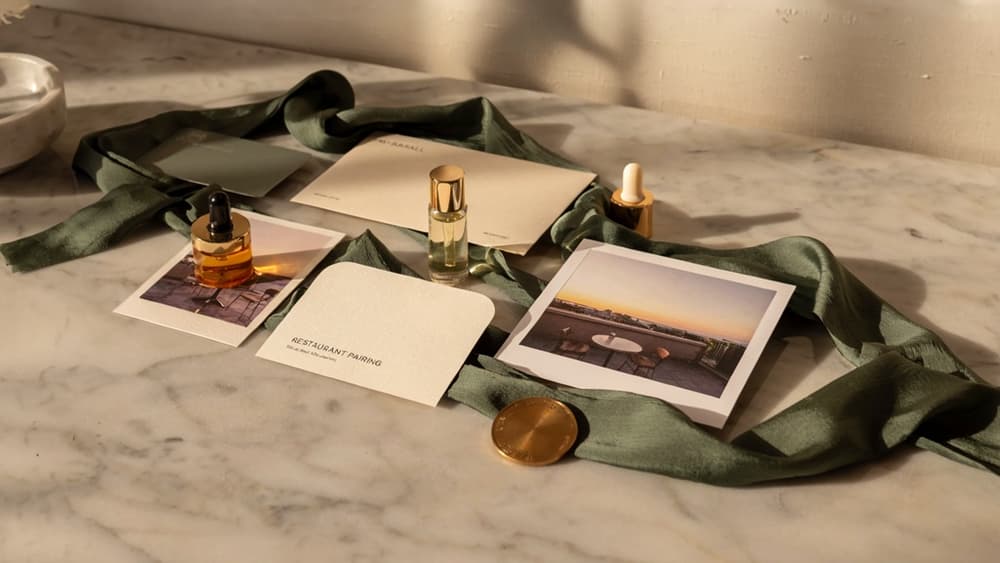
- A restaurant guest sees a tableside card for a seasonal pairing, written in the same voice as the menu.
- A resort visitor gets activity suggestions based on family, couple, or group travel cues.
This is where reusable copy frameworks matter. Instead of writing one-off upsell blurbs for every campaign, build approved language patterns for upgrades, amenities, limited-time offers, and service recovery. That lets the client’s team move quickly without drifting off-brand.
For small agencies managing multiple hospitality clients, this also reduces production drag. You can scale more emails, signage, QR landing pages, in-room cards, and staff enablement scripts without reinventing the voice every time.
Create guest-generated content without disrupting the experience
Guest content is valuable because it shows the experience through a real person’s lens. But if the ask feels intrusive, it can cheapen the moment.
The best approach is to design light-touch prompts into natural pauses:
- A post-checkout email inviting guests to share their favorite moment.
- A subtle hashtag or handle placement on menus, room keys, or check presenters.
- A photo-friendly space that feels native to the property, not staged purely for social.
- A follow-up message asking permission to reshare a guest’s post.
Agencies should also give clients clear response guidelines: how to thank guests, when to request usage rights, and how to keep replies aligned with the brand personality. In hospitality marketing, the experience does not end when the guest leaves. The after-visit interaction can become the next piece of social proof, the next referral, or the first step toward a repeat booking.
Retain Guests and Prove Marketing Value to Hospitality Clients
Once the visit is over, the agency’s job shifts from filling the next available slot to increasing the lifetime value of every guest the client has already paid to acquire.
Build loyalty campaigns for repeat visits
For hospitality clients, loyalty does not always mean a points program. A boutique hotel, restaurant group, spa, venue, or tour operator may get better results from simple, well-timed reasons to return.
Build campaigns around natural repeat triggers:
- Anniversaries and occasions: “Come back for the weekend you first stayed with us” or “Book your birthday table early.”
- Seasonal rituals: winter tasting menus, summer terrace openings, holiday packages, local festival weekends.
- Preference-based invitations: dog-friendly stays, chef’s counter seats, wellness add-ons, family packages.
- Local repeat behavior: weekday dining, after-work drinks, monthly spa treatments, private event bookings.
The key is to make every loyalty touch feel like part of the brand experience, not a generic discount blast. A luxury resort should not sound like a coupon site. A neighborhood restaurant should not sound like a corporate hotel chain.
For agencies producing this at scale, the operational challenge is consistency. Each client needs repeatable email, SMS, ad, and social copy that reflects their voice, offer structure, and guest promise. This is where a brand system matters: once the client’s tone, offer rules, audience segments, and approved language are captured, your team can produce retention campaigns faster without rebuilding the voice from scratch every month.
Segment past guests for relevant reactivation
Reactivation works best when it is based on what guests actually did, not one generic “we miss you” campaign.
Useful hospitality segments include:
Segment | Reactivation angle |
|---|---|
First-time guests | Invite them back with a next-step experience, not a broad promotion |
High-value guests | Offer early access, upgrades, premium packages, or concierge-style planning |
Lapsed guests | Reintroduce what has changed since their last visit |
Local guests | Promote weekday availability, events, dining, or short-notice offers |
Out-of-town guests | Tie messaging to seasonal travel windows, school breaks, or local events |
Event or group bookers | Prompt future celebrations, corporate gatherings, or annual planning |
For example, a guest who booked a couples’ spa package should not receive the same message as someone who attended a corporate dinner. The offer, timing, subject line, imagery, and CTA should all reflect the guest’s likely next reason to return.
This is also where agencies can stand out in hospitality marketing: not by sending more messages, but by making each message feel more specific. Better segmentation improves performance and protects the client’s brand from feeling noisy or transactional.
Report on the metrics agency clients actually care about
Hospitality clients rarely want a dashboard full of channel metrics without business context. They want to know whether marketing helped generate bookings, reservations, inquiries, revenue, and repeat demand.
Report retention and reactivation around metrics such as:
- repeat booking or reservation rate
- revenue from past guests
- average order value or booking value
- email/SMS revenue attribution
- lapsed guest win-back rate
- loyalty offer redemptions
- direct bookings versus third-party bookings
- cost per returning guest
- lifetime value by segment
- occupancy, covers, inquiries, or package sales influenced by campaigns
Frame the report in plain commercial terms: “Past guest campaigns generated 84 direct bookings this quarter, with a 22% higher average booking value than first-time guest campaigns.” That is more useful to an owner than isolated open rates or impressions.
For small agencies, this reporting discipline protects your margin too. When clients can see how retention work contributes to revenue, they are less likely to treat your role as campaign production and more likely to see you as a growth partner.