August 7, 2025
An Introduction to AI Trend Forecasting
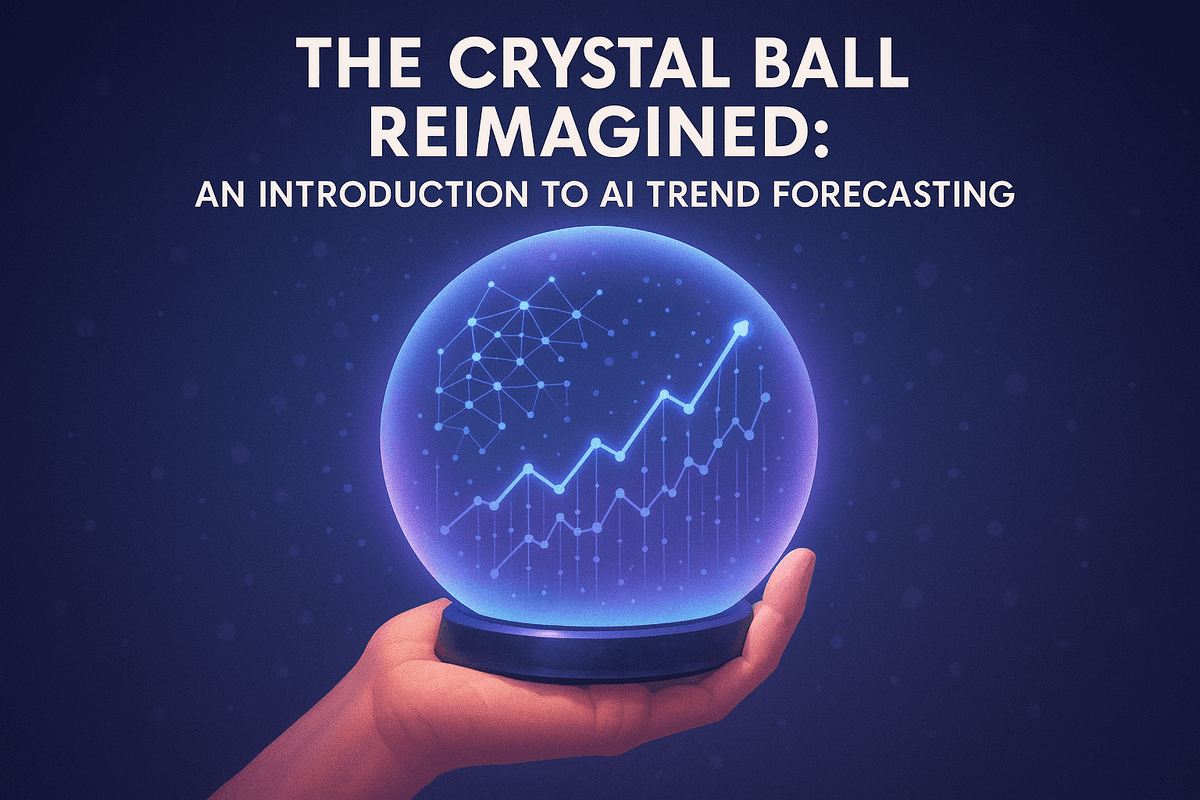
The Crystal Ball Reimagined: An Introduction to AI Trend Forecasting
For centuries, business leaders have sought a reliable way to predict the future. They’ve relied on gut feelings, historical data, and expert panels—methods that are valuable but ultimately limited, like trying to navigate a highway by only looking in the rearview mirror. Today, that’s changing. The crystal ball has been reimagined, supercharged by data and algorithms. Welcome to the era of AI trend forecasting.
So, what exactly is it? At its core, AI trend forecasting is the application of artificial intelligence, particularly machine learning, to analyze vast and complex datasets in order to identify and predict emerging patterns, market shifts, and changes in consumer behavior. It goes far beyond analyzing last quarter's sales figures. It sifts through the digital noise of the modern world—social media chatter, search engine queries, online reviews, news articles, and economic indicators—to find the faint signals that precede a major trend. It’s the difference between knowing what was popular and knowing what will be popular.
Beyond the Rearview Mirror: How AI Surpasses Traditional Methods
Traditional forecasting methods, while foundational, often fall short in today’s fast-paced digital ecosystem. They are typically manual, slow, and limited to structured, historical data. They can tell you what happened, but struggle to explain the "why" or predict the "what's next" with high accuracy.
AI trend forecasting offers a quantum leap forward in several key areas:
- Scale and Speed: An AI model can process petabytes of real-time data from millions of sources simultaneously—a task impossible for any human team. It can spot a nascent trend bubbling up on TikTok in one country and correlate it with e-commerce search queries in another, all in a matter of minutes.
- Depth of Insight: AI excels at uncovering non-obvious patterns and complex correlations. It can detect subtle shifts in language, sentiment, and imagery that indicate a new consumer need or cultural movement is taking shape long before it becomes mainstream.
- Adaptability: Unlike static reports, machine learning models are dynamic. They continuously learn from new data, refining and improving their predictions over time. This adaptive capability ensures that your insights remain relevant in a constantly changing market.
The Immediate Business Impact of Predictive Insights
The ability to see around the corner isn't just an academic exercise; it provides a tangible and immediate competitive advantage. Businesses leveraging ai trend forecasting can make smarter, faster, and more confident decisions across the entire organization.
- Smarter Product Innovation: Stop guessing what customers want. Predictive insights can identify unmet needs and burgeoning desires, guiding R&D to develop products and features that launch directly into a receptive market.
- Hyper-Relevant Marketing: Align your campaigns with emerging narratives and consumer sentiments. By understanding what your audience will be talking about tomorrow, you can create messaging that resonates deeply and generates a significantly higher return on investment.
- Optimized Supply Chains: Anticipate demand spikes and lulls with unprecedented accuracy. This allows for proactive inventory management, reducing the costly risks of both stockouts and overstock.
- Strategic Market Positioning: See market shifts before your competitors do. This foresight gives you the critical time needed to pivot your strategy, capture new opportunities, and solidify your position as a forward-thinking industry leader.
Decoding the Data: Technologies Driving AI Trend Forecasting
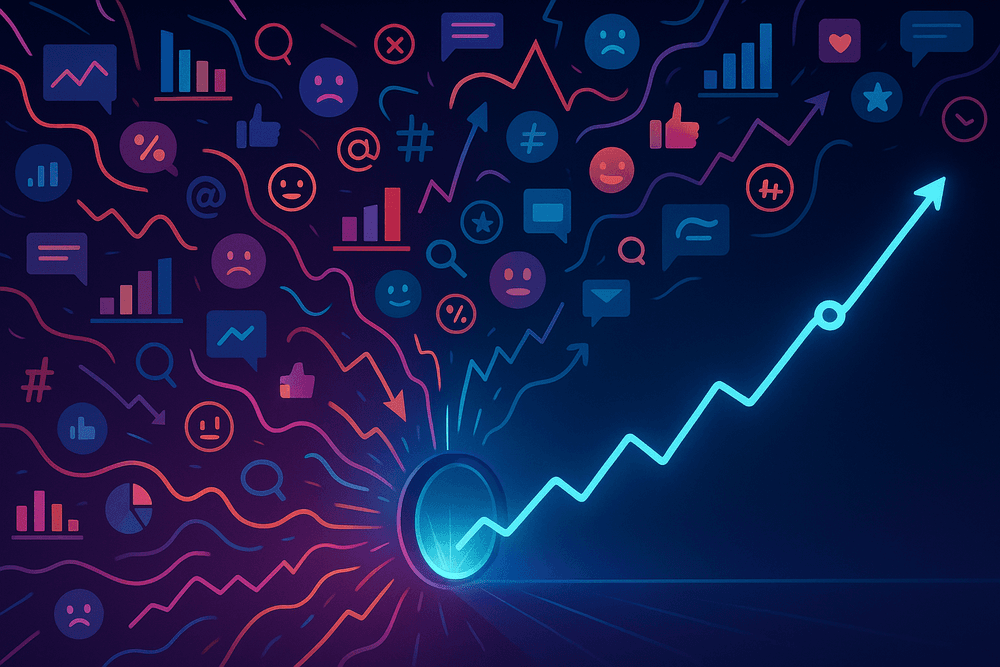
At its core, artificial intelligence isn't a crystal ball; it's a powerful engine running on specific, sophisticated technologies. The magic of AI trend forecasting lies in its ability to process and interpret information at a scale and speed far beyond human capability. To truly understand its power, we must look under the hood at the key technologies that make it possible. These components work in concert, transforming raw, chaotic data into clear, actionable insights about what’s next.
Harnessing Machine Learning and Predictive Analytics
The engine driving AI-powered forecasting is machine learning (ML). ML algorithms are designed to learn from historical data, automatically identifying complex patterns, correlations, and anomalies without being explicitly programmed. In the context of trend forecasting, an ML model can sift through years of sales figures, supply chain data, and economic indicators to learn what precedes a spike or dip in demand.
This leads directly to predictive analytics, which uses these learned patterns to forecast future events. It answers the critical question: "Based on everything that has happened, what is most likely to happen next?" For example, a predictive model can anticipate a surge in demand for sustainable packaging by correlating rising online searches for "eco-friendly products" with past purchasing behavior. This ability to move from hindsight to foresight is the foundational pillar of effective AI trend forecasting.
The Role of Natural Language Processing (NLP) in Analyzing Sentiment
While numbers tell part of the story, the "why" behind consumer behavior is often locked away in unstructured text. This is where Natural Language Processing (NLP) plays a transformative role. NLP is a branch of AI that gives computers the ability to read, understand, and derive meaning from human language.
For trend forecasting, NLP’s most valuable application is sentiment analysis. Sophisticated algorithms can scan millions of social media posts, product reviews, news articles, and forum discussions to gauge the public's emotional tone toward a brand, product, or emerging concept. Is the chatter around a new fashion style positive, negative, or neutral? Is a sudden spike in mentions of a competitor driven by praise or complaints? By quantifying this qualitative data, NLP provides a crucial layer of context, allowing businesses to understand the human sentiment driving the trends reflected in their sales data.
Leveraging Big Data from Diverse Sources
Neither machine learning nor NLP can function in a vacuum; they require a massive and continuous flow of data to learn and make accurate predictions. The discipline of AI trend forecasting excels at ingesting and synthesizing "big data" from a vast array of sources, including:
- Social Media: Real-time data from platforms like X (formerly Twitter), Instagram, TikTok, and Reddit reveals what’s capturing public attention, from viral challenges to emerging aesthetic movements.
- Sales and E-commerce Data: Point-of-sale information, online browsing behavior, cart abandonment rates, and customer purchase histories provide a direct line to consumer actions.
- Market and External Sources: Information from competitor activities, industry reports, news feeds, search engine trends, and even weather patterns can be integrated to build a holistic view of the market ecosystem.
By connecting these once-siloed datasets, AI can spot faint signals that would otherwise go unnoticed, turning a sea of information into a clear map of future market shifts.
From Insight to Impact: Business Applications of AI Trend Forecasting
Harnessing the power of AI trend forecasting is no longer a futuristic concept; it's a practical strategy that separates market leaders from followers. By moving beyond reactive analysis, businesses can leverage predictive insights to drive tangible results across their entire operation. The value lies not just in knowing what's coming, but in acting on that knowledge to create a decisive competitive advantage. From the products you build to the way you sell them, AI-powered foresight is reshaping the corporate playbook.
Predicting Consumer Behavior and Future Market Shifts
The modern consumer is complex and their preferences change at lightning speed. Traditional methods like surveys and focus groups provide a static snapshot in time, often becoming outdated by the time the data is analyzed. AI trend forecasting offers a dynamic, real-time alternative. By continuously ingesting and interpreting massive datasets from diverse sources—including social media conversations, search engine queries, product reviews, and news articles—AI algorithms can identify nascent shifts in consumer sentiment and behavior long before they hit the mainstream.
This allows businesses to:
- Identify Micro-Trends: Spot niche interests, like a new wellness ingredient or a specific design aesthetic, before they explode in popularity.
- Anticipate Market Demand: Understand the "why" behind consumer choices, enabling more accurate predictions of which product categories will grow or decline.
- Mitigate Risk: Foresee potential PR crises or negative sentiment shifts, allowing for proactive brand management and communication strategies.
Innovating Product Development with Predictive Data
Guesswork is the enemy of innovation. Launching a new product is an expensive, high-stakes gamble, but AI trend forecasting can significantly stack the odds in your favor. By feeding predictive insights directly into the product development lifecycle, companies can create offerings that are not just wanted now, but will be in high demand upon release.
This data-driven approach transforms the innovation process. Instead of relying solely on intuition, product teams can use AI-generated insights to:
- Validate New Concepts: Confirm that a product idea aligns with a genuine and growing consumer need.
- Prioritize Features: Analyze online discussions and reviews to determine which features are most desired or which pain points need solving.
- Guide Design and Aesthetics: Identify emerging visual trends, color palettes, and material preferences to ensure a product looks and feels relevant.
A tech company, for instance, could analyze developer forums and tech blogs to anticipate the next must-have feature for a software suite, integrating it into their roadmap months ahead of the competition.
Optimizing Marketing Campaigns and Supply Chain Management
The impact of AI trend forecasting extends deep into a company's operational core, enhancing efficiency and boosting profitability.
For marketers, it means creating campaigns that don't just follow culture but help create it. AI can predict which messages, creative assets, and channels will resonate most effectively with a target audience for an upcoming trend. This enables teams to craft proactive campaigns that capture consumer attention precisely when interest is beginning to peak, maximizing ROI and brand relevance.
In supply chain management, the benefits are even more direct. Accurate demand forecasting is critical for managing inventory and logistics. By predicting a surge in demand for a particular item—like a fashion retailer anticipating the next "it" color—AI allows for smarter procurement and production scheduling. This dual optimization prevents costly overstock situations while ensuring popular products are available, directly protecting the bottom line from both lost sales and excess waste.
Choosing Your Toolkit: Top AI Trend Forecasting Platforms
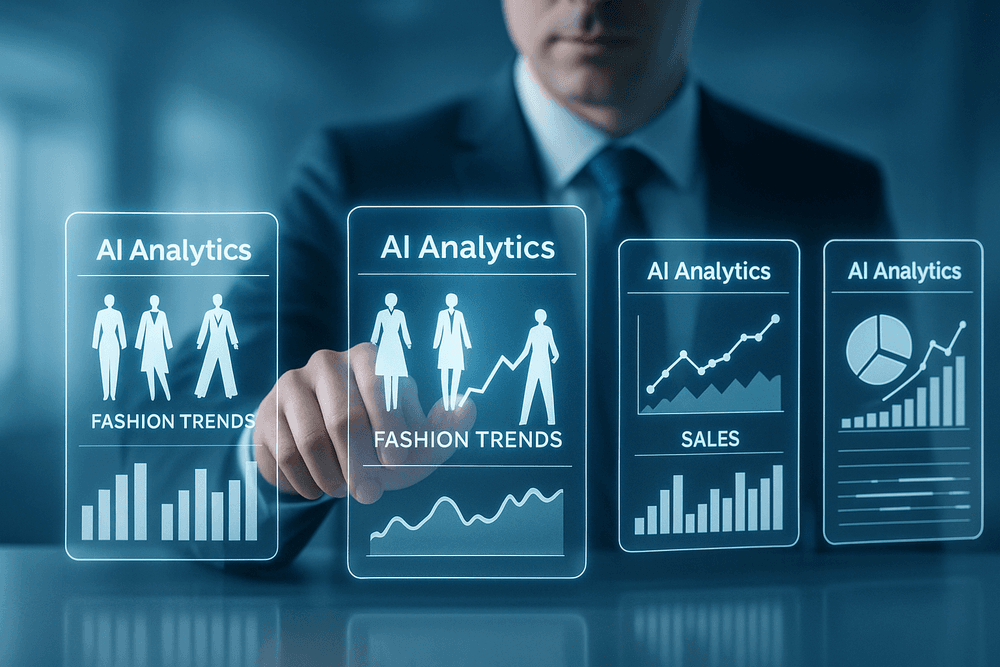
Selecting the right platform is the critical step that transforms the promise of AI trend forecasting into a tangible competitive advantage. The market is filled with powerful tools, but the best one for your business depends entirely on your industry, goals, and existing technical infrastructure. Making an informed choice means moving beyond buzzwords and evaluating platforms on their specific capabilities.
A Look at Leading Trend Forecasting Platforms
While dozens of solutions exist, a few key players have distinguished themselves by offering robust, specialized features. They demonstrate the different approaches to AI-powered market analysis.
For Retail and CPG: Trendalytics
Trendalytics excels at connecting the dots between online conversations and actual consumer purchase intent. It synthesizes data from social media, online searches, and e-commerce marketplaces to provide product-level trend predictions. Its strength lies in identifying "safe bet" trends versus fleeting fads, making it invaluable for merchandisers and brand managers in the fashion, beauty, and home décor sectors who need to optimize inventory and marketing efforts.
For Fashion and Luxury: Heuritech
Heuritech leverages cutting-edge image recognition technology to deliver highly specific AI trend forecasting for the fashion industry. By analyzing millions of images and videos shared on platforms like Instagram and TikTok, its AI can identify emerging trends in silhouettes, colors, prints, and textures long before they hit the mainstream. This visual-first approach gives designers and luxury brands a forward-looking lens to anticipate consumer desires with remarkable accuracy.
For Broad Consumer Insights: WGSN
A long-standing leader in trend forecasting, WGSN has powerfully integrated AI into its established methodology. It combines decades of human expert analysis with sophisticated data science to offer both long-term macro-trend forecasts and near-term product insights. WGSN's platform is known for its comprehensive reports, global scope, and deep dives into consumer demographics and psychographics, making it a go-to for major brands seeking to understand the "why" behind emerging trends.
Key Factors for Choosing the Right Forecasting Tool
Before committing to a platform, evaluate potential tools against these crucial criteria:
- Industry Specialization & Data Sources: Does the platform focus on your market? A tool designed for fashion’s visual trends may not be effective for forecasting shifts in financial services. Scrutinize the data it analyzes—is it social media, search data, patent filings, or sales data? Ensure its sources align with where your target audience reveals its intent.
- Predictive Scope & Usability: Determine if you need short-term trend validation (next 3-6 months) or long-term strategic forecasting (2-5 years). The platform’s user interface is equally important. A powerful tool is useless if your team finds it too complex. Look for intuitive dashboards, clear visualizations, and actionable reports that marketing, sales, and product teams can easily understand and use.
- Cost vs. ROI: Pricing models vary from subscription tiers to custom enterprise packages. Calculate the potential return on investment. Will the tool help you reduce overstock, improve marketing campaign success, or accelerate product innovation? A clear ROI model justifies the investment.
Integrating AI Tools with Your Existing Data Infrastructure
The most advanced AI trend forecasting strategies don’t rely solely on external platforms. The real power is unlocked when you integrate these tools with your own internal data. Most leading platforms offer APIs (Application Programming Interfaces) that allow them to connect seamlessly with your existing systems, such as your CRM, ERP, or sales databases.
This integration creates a powerful feedback loop. For example, you can overlay an external platform's prediction for a "retro-style sneaker" trend with your own internal sales data for similar products. This allows you to validate the trend's relevance to your specific customer base, measure its commercial viability in real-time, and make data-driven decisions on inventory and marketing with unparalleled confidence. By combining external market signals with internal performance data, you build a holistic and highly accurate forecasting engine unique to your business.
AI Trend Forecasting in Action: Real-World Success Stories
The theoretical power of AI trend forecasting is impressive, but its real-world application is where its value truly shines. Across diverse industries, companies are leveraging predictive analytics to move from reactive to proactive strategies, gaining a significant competitive edge. By analyzing vast, unstructured datasets in real time, these organizations are not just following trends—they are anticipating and shaping them. Let's explore how this technology is delivering tangible results.
Case Study: How a Fashion Brand Predicted the Next Viral Style
The fast-fashion cycle is notoriously difficult to predict, with styles emerging on social media and vanishing in weeks. A mid-size apparel brand, struggling to keep pace, turned to an AI trend forecasting platform to get ahead.
The AI system was fed a constant stream of data, including runway show images, influencer posts from Instagram and TikTok, fashion blog text, and e-commerce search queries for specific colors, fabrics, and silhouettes. The platform used natural language processing (NLP) and computer vision to identify nascent patterns. It flagged a subtle but growing convergence of "utility wear" and "outdoor gear," which it labeled "urban gorpcore." While human analysts were still focused on mainstream aesthetics, the AI predicted this niche would hit a critical mass in six months.
Armed with this data-driven insight, the brand fast-tracked a capsule collection featuring cargo pants, technical fabrics, and utilitarian vests in earthy tones. They launched it just as "gorpcore" began trending widely, resulting in a sold-out collection, a 40% increase in online engagement, and a reputation as a trend-setting leader.
Use Case: A CPG Company Anticipating New Consumer Demands
A leading consumer-packaged goods (CPG) company wanted to innovate its beverage line. Instead of relying on traditional focus groups, they employed AI trend forecasting to understand emerging health and wellness demands.
Their AI tool analyzed millions of data points from health forums, recipe blogs, scientific research papers, and online grocery shopping data. It identified a rising tide of consumer interest in "adaptogens" and "nootropics"—ingredients believed to reduce stress and improve cognitive function. More specifically, the AI pinpointed "Lion's Mane mushroom" and "Ashwagandha" as having the highest positive sentiment and rapidly growing search volume, long before they became household names.
This allowed the CPG company to bypass a lengthy R&D cycle based on guesswork. They quickly developed and marketed a new line of "functional wellness" drinks featuring these key ingredients. The product launched to an already-primed audience, capturing significant market share from competitors who were still in the early stages of research.
Application in Finance: Forecasting Market Volatility with AI
In the financial sector, timing is everything. An investment firm integrated AI trend forecasting to supplement traditional financial modeling for predicting market volatility. Their custom AI models ingested not only stock prices and economic reports but also unstructured data like geopolitical news sentiment, regulatory document filings, and real-time social media chatter from credible financial analysts.
The AI’s core function was to detect non-obvious correlations that precede market instability. For example, it identified that a specific combination of negative sentiment in shipping industry reports and anxious language in central bank minutes was a powerful, early predictor of short-term volatility in the tech sector. By flagging these patterns days before human analysts could connect the dots, the system provided the firm with a crucial window to adjust portfolios, hedge against risk, and capitalize on the predicted turbulence. This application demonstrates how AI trend forecasting delivers a distinct advantage in high-stakes, data-intensive environments.

The Future of Foresight: Getting Started with AI Trend Forecasting
Venturing into the world of AI trend forecasting might seem like a monumental leap, but it’s more accessible than ever. It’s not about replacing human intuition but augmenting it with the power of data, transforming your organization from reactive to predictive. By integrating AI, you stop chasing trends and start shaping them. The journey begins with a few strategic steps and a commitment to a new way of thinking.
First Steps to Integrating AI Forecasting Into Your Strategy
Adopting any new technology requires a clear roadmap. To successfully embed AI trend forecasting into your operations, follow this structured approach to build momentum and demonstrate value quickly.
- Define Your Business Objectives: Before you even look at a tool, ask: "What do we need to know?" Are you trying to predict the next big consumer-packaged goods flavor, anticipate supply chain disruptions, or understand shifts in customer sentiment? A clear objective, like "reduce inventory overstock by 15% by forecasting seasonal demand," focuses your efforts and defines success for your initial AI trend forecasting project.
- Assess Your Data Readiness: AI models are powered by data. Evaluate the quality, accessibility, and relevance of your existing data sources. This includes internal data (sales figures, CRM notes, website analytics) and valuable external data (social media conversations, industry news, economic reports). Clean, well-organized data is the bedrock of accurate predictions.
- Start with a Focused Pilot Project: Don’t try to predict everything at once. Select a single, high-impact area for a pilot program. For example, forecast demand for a key product line or analyze brand sentiment in a specific market. A successful pilot provides a powerful case study, securing buy-in for broader implementation and helping your team build confidence with the new technology.
The Evolving Landscape of Predictive AI Technologies
The technology driving predictive analytics is in constant motion. What began with statistical modeling has evolved into a sophisticated ecosystem of AI. Machine learning (ML) algorithms can identify complex patterns in vast datasets that are invisible to the human eye. Natural Language Processing (NLP) is a game-changer, allowing AI to understand unstructured text from customer reviews, social media posts, and call transcripts to gauge sentiment and identify emerging needs.
More recently, Generative AI has entered the scene, moving beyond mere pattern recognition. These models can synthesize data into coherent narratives, generate potential future scenarios, and even draft reports explaining the "why" behind a predicted trend. Staying abreast of these advancements is crucial, as they continually make AI trend forecasting more powerful, intuitive, and integrated into daily workflows.
Embracing a Culture of Data-Driven Decision-Making
Ultimately, the most advanced AI tool is only effective within a culture that is ready to use it. Integrating AI trend forecasting is as much a cultural shift as it is a technological one.
This means fostering an environment where data is a shared asset, not a siloed resource. It requires training teams to become data-literate—not necessarily data scientists, but professionals who are comfortable asking questions of the data and interpreting AI-generated insights. Encourage curiosity and experimentation, and reframe decisions from being based on "gut feeling" alone to being guided by "informed intuition." When your entire organization learns to trust and collaborate with AI-powered insights, you unlock a sustainable competitive advantage, ready to navigate the future with confidence and clarity.